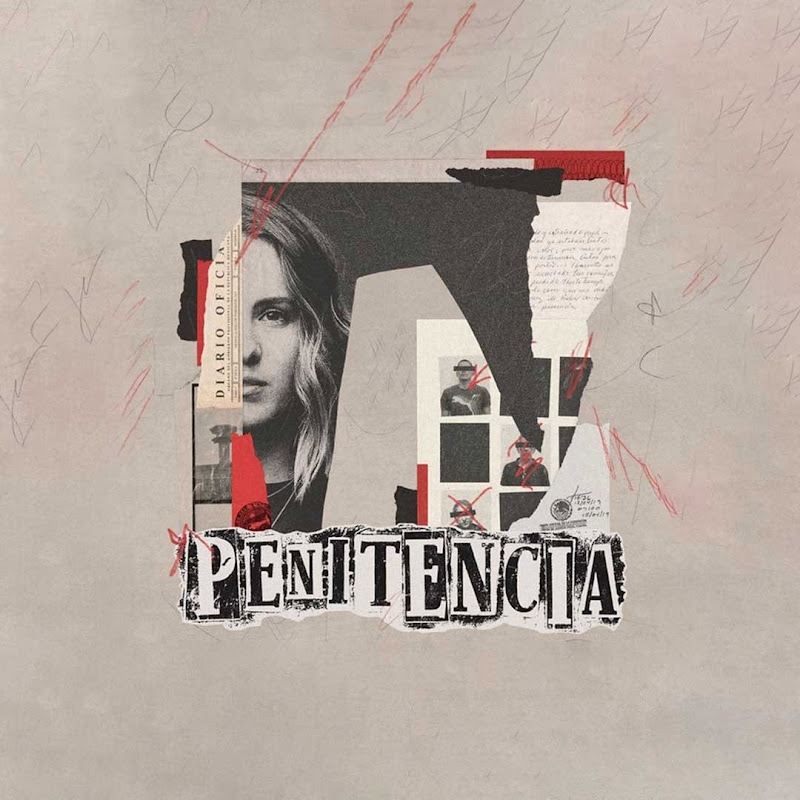
Las voces me hicieron lastimar gente inocente | Juan #Penitencia #entrevista #México
YouTube · dMN32mOyD9Q
Quick Read
Summary
Takeaways
- ❖Juan started using marijuana at age 11 and later became addicted to crystal meth, which he personified as 'Cristina,' leading to significant weight loss and apathy towards his family.
- ❖His crystal meth addiction caused severe neurological damage, including persistent auditory hallucinations (voices) that once compelled him to harm innocent people.
- ❖Juan's motivation for sobriety stems from his children, especially his son, who is currently in rehab for crystal meth addiction, mirroring his father's past struggles.
Insights
1Irreversible Neurological Damage from Crystal Meth
Juan, who started using crystal meth (Cristina) around 2010, suffers from persistent auditory hallucinations, describing them as 'voices' that still whisper to him, even in sobriety. He acknowledges this as a permanent sequela of his addiction, impacting his coordination and mental state.
Juan states, 'Empecé a escuchar voces, voces repetidas como en tercera persona... esas voces aún no las he dejado de escuchar. No se van, es una especie de esquizofrenia.' He also admits, 'Tengo problemas para coordinar y lo voy a admitir, no estoy bien.'
2Loss of Empathy and Paranoia Driven by Addiction
The addiction to crystal meth led Juan to a state of extreme paranoia and apathy, causing him to prioritize drug use over his children's well-being and to harm innocent people based on delusions. He describes a gradual loss of 'love for his neighbor.'
Juan confesses, 'Me preocupaba primero por conseguir para comprar más cristal y después que mis hijos comieran.' He also recounts, 'Le llegué a lastimar gente solo por el hecho de que se me quedaban viendo y yo pensaba, ya me reconoció, ya me identificó paranoico.'
3Intergenerational Cycle of Addiction and the Drive for Redemption
Juan's son, at 18, is addicted to crystal meth and in rehab, mirroring Juan's own struggles. This realization became a powerful catalyst for Juan to seek sobriety, driven by a desire to be a positive example and break the cycle.
Juan states, 'Mi hijo es adicto al cristal, tiene 18 años, está anexado y quiero servirle de ejemplo de que se puede salir de las drogas.' He also expresses, 'Me partió la madre aquí en la cárcel porque yo sé lo que es las consecuencias de andar con Cristina.'
4The Complexities of Loyalty and Survival in Organized Crime
Juan details his entry into organized crime, first as an independent dealer, then aligning with cartels in Morelos and Sonora. He highlights a perceived difference in 'loyalty' between central Mexico (transactional) and Sonora (familial), which influenced his choices and sense of belonging.
Juan explains, 'Aquí eres leal mientras le o te son leales mientras le sirvas a las personas, pero una vez que ya no le sirves, se deshacen de ti como si fueras un costal de basura y allá no. Allá en las buenas y en las culeras te sonales.'
Bottom Line
Drug users in Juan's circles personified different drugs with female names: 'Mary Jane' for marijuana, 'Blanca' for cocaine/crack, 'Silvia' or 'Chiva' for heroin, and 'Cristina' for crystal meth.
This practice of naming drugs humanizes them, potentially fostering a deeper, more intimate, and ultimately destructive relationship between the user and the substance, as seen with Juan's 'love' for Cristina.
Understanding this psychological framing could inform addiction treatment strategies, recognizing the emotional and relational aspects users project onto their drug of choice.
Juan found a sense of 'loyalty' and belonging within a cartel in Sonora that he felt was absent in central Mexico's criminal organizations, describing it as more 'real' and supportive in both good and bad times.
This suggests that for individuals lacking strong social bonds or a sense of identity, criminal organizations can offer a perverse form of community and loyalty, fulfilling fundamental human needs in a destructive context.
Intervention programs could focus on providing alternative, healthy communities and fostering genuine belonging to deter individuals from seeking it within criminal structures.
Key Concepts
Anesthesia for Loneliness
Juan describes using drugs, particularly crystal meth, as a way to cope with profound loneliness and a desire for belonging, highlighting how addiction can serve as a maladaptive coping mechanism for emotional pain.
Cycle of Violence and Addiction
Juan's story illustrates how early exposure to violence and drug use, coupled with a lack of parental guidance and a desire for power (after being bullied), can create a self-perpetuating cycle of destructive behavior across generations, as seen with his son's addiction.
Lessons
- Recognize the long-term neurological and psychological damage caused by crystal meth, which can manifest as persistent hallucinations and paranoia, even after achieving sobriety.
- Prioritize professional mental health and addiction support, as self-reliance alone is often insufficient for sustained recovery, especially when facing deep-seated trauma and external threats.
- Understand the intergenerational impact of addiction; addressing personal substance abuse is critical not only for individual recovery but also to break destructive cycles for one's children and family.
Notable Moments
Juan recounts a childhood incident where, at age 9, he confronted a bully with a knife, which he describes as the beginning of his violent psychological state and a shift from being abused to becoming an abuser.
This moment highlights a critical turning point in Juan's development, where an act of violence gave him a sense of power and popularity, shaping his future trajectory towards aggression and criminality.
Juan's ex-wife offers him a chance to reconcile and support his sobriety upon his release, but his honest admission that he would relapse if offered crystal meth leads to her divorcing him and remarrying.
This illustrates the brutal honesty and profound challenge of addiction recovery, where the addict's truth, however painful, can lead to the loss of crucial support systems, emphasizing the difficulty of rebuilding trust and relationships.
Juan describes his profound grief and regret over his grandmother's death, particularly because she died 'molesta' with him for his crystal meth use, and he never got to say goodbye or show her a changed man.
This moment reveals the deep emotional wounds and guilt that addiction leaves, highlighting the desire for approval and redemption from loved ones, even after their passing, and the lasting impact of unresolved conflicts.
Quotes
"Me drogo desde los 11 años y nunca había estado sobrio en mi vida."
"Esas voces aún no las he dejado de escuchar. No se van, es una especie de esquizofrenia. Pero hoy que estoy sobrio, yo sé que es la secuela del abuso del cristal."
"Hice muchas cosas malas por hacerle caso a esas a esas voces. Lastimé gente inocente por esas voces."
"Poco a poco fui perdiéndole el amor al prójimo para pronto."
"El cristal es la muerte en vida. Sinceramente no se lo recomiendo a nadie."
"Yo siempre he tenido desde niño un problema de identidad, de pertenecer a a algo. De eso me vengo dando cuenta apenas."
"La sentencia de 5 o que traigo es algo regalado para todo lo que debería de pagar."
"Mi hijo era se convirtió en mi peor enemigo. No sé por qué él era mi peor enemigo."
"Sé que en la calle sin ayuda no voy a poder resistirme a las drogas."
"Tengo miedo de cruzar esta puerta y tener acceso y tener, pero antes que tener acceso a eso de no poder llegar siquiera a ver a mis hijos, de que pase algo en el en el camino. La Morelo está tan cerca, pero a la vez tan lejos. Tu cabeza trae precio. Sí, a la fecha."
Q&A
Recent Questions
Related Episodes

A los 14, me drogaba con mi padre y vendía drogas con él | Octavio #Penitencia 189 #México
"Octavio, known as 'El Rayas,' shares a harrowing account of a childhood steeped in extreme violence, parental neglect, and a family history of abuse, addiction, and crime, revealing how these cycles shaped his path to incarceration."
Stavvy's World #181 - Jaboukie Young-White | Full Episode
"Stavros Halkias and Jaboukie Young-White dive into chaotic family histories, modern relationship dilemmas, and the absurdities of celebrity culture, offering unfiltered comedic takes and unconventional advice to callers."

“I Printed $10 Million Cash” - How to Spend Fake Money | Art Williams Jr
"Art Williams Jr., a former notorious counterfeiter, recounts his journey from a poverty-stricken Chicago upbringing to mastering the art of printing fake money and ultimately transforming into a successful artist and entrepreneur."

Sadhguru - Stop Letting Your Mind DESTROY You | SRS #315
"Sadhguru challenges conventional wisdom on 'being in the moment' and stress, arguing that mastering the mind requires understanding its sophisticated design and consciously directing one's internal chemistry for profound well-being."