
Seyed M. Marandi: Iran Steps In – Israel Refuses to Withdraw as Hezbollah CRUSHES the Buffer Zone
YouTube · g9JLKwdg1Jc
Quick Read
Summary
Takeaways
- ❖Iran's 'Axis of Resistance' (Iran, Yemen, Hezbollah, Iraqi resistance) successfully resisted the 'Axis of Evil' (US, Israel, regional proxies).
- ❖The recent MOU with the US was a result of Iran's victory in 'siege warfare' and battlefield successes, forcing US concessions on Lebanon and regional issues.
- ❖Iran does not trust the US and is preparing for continued assertiveness and potential future conflicts, learning from past mistakes like the JCPOA.
- ❖The Strait of Hormuz is now under Iran's permanent control, with plans to levy environmental and insurance fees on passing ships.
- ❖Iran encourages GCC countries to distance themselves from the US and Israel to achieve true sovereignty and regional stability.
- ❖The core issue of Palestine (Gaza, West Bank) remains central to all regional conflicts and is a key driver of Iran's policy.
Insights
1Iran's Strategic Victory and US Concessions
Professor Marandi asserts that Iran 'won the war' and 'siege warfare' against the US and Israel, not merely survived. This victory forced the US to offer significant concessions in a Memorandum of Understanding (MOU), particularly regarding Lebanon and regional stability. This outcome is framed as a direct result of Iran's sustained retaliation and resilience, which led to a stalemate where the US had to back down.
Marandi states, 'Iran won the war and it won the siege warfare... and at the negotiating table it has the upper hand.' He adds that Trump 'gave those concessions and we had a deal because we were at a stalemate.'
2Hezbollah's Mandate and Lebanon's Sovereignty
Hezbollah's recent statement, as highlighted by the host, emphasizes Iran's role in unifying and supporting resistance acts. Hezbollah urges Lebanon to leverage international support to strengthen its sovereignty and adopt a unified national position, viewing Israeli actions as attempts to instigate civil war. The MOU is seen as a tool for Iran to pressure the US for Israeli withdrawal from Lebanon.
The host notes, 'Hezbollah argues that Lebanon should use the current international and regional support to strengthen its sovereignty' and 'urges Lebanese government and political factions to adapt a unified national position.'
3Iran's Permanent Control of the Strait of Hormuz
Iran has asserted permanent control over the Strait of Hormuz, allowing only certain ships to pass. Following a two-month period, Iran plans to begin collecting fees for environmental protection, insurance, and safety from vessels transiting the strait. This move signifies a significant shift in maritime control and a new source of revenue and leverage for Iran.
Marandi states, 'The blockade is over at the moment. The Iranians will only allow certain ships to pass through the strait. And Iran will continue to control the Strait of Hormuz permanently. And after the two months, Iran will begin receiving fees that are for environmental protection or insurance and for safety and that sort of thing.'
4The Centrality of Palestine to Regional Stability
The speaker repeatedly emphasizes that the issues of Gaza, the West Bank, and Palestine are the root cause of all regional problems, including conflicts in Lebanon, Yemen, and Syria. He argues that true regional prosperity and stability depend on addressing the Palestinian question, urging regional governments to act against Israeli policies.
Marandi states, 'Without Gaza and the West Bank, you don't have the situation the way it is in Lebanon... Gaza is the root of all the problems in the region, Gaza, West Bank, and Palestine.'
Bottom Line
The US, facing an impending energy crisis by late June/July, was pressured into concessions with Iran to prevent further escalation that would delay a deal and exacerbate the crisis.
This suggests that the US's geopolitical decisions were heavily influenced by domestic economic vulnerabilities, specifically related to energy supply, rather than purely strategic or diplomatic considerations. It implies a critical window for adversaries to extract concessions during periods of US economic fragility.
Nations or entities seeking leverage against the US could strategically time their actions or negotiations to coincide with periods of anticipated economic strain or resource shortages within the US, potentially forcing more favorable outcomes.
Iran's military strategy during the conflict was not about overwhelming force but sustained, calculated retaliation designed for a 'very long war,' preserving capabilities while inflicting damage.
This reveals a long-term strategic mindset, prioritizing endurance and resource management over immediate, decisive strikes. It contrasts with a perception of Iran as solely reactive or prone to maximalist responses, suggesting a sophisticated approach to asymmetric warfare.
Understanding this strategy allows for better forecasting of Iran's responses in future conflicts, indicating that they will likely favor protracted engagements and calibrated actions that preserve their military-industrial base, rather than short, intense bursts of aggression.
Key Concepts
Axis of Resistance
A geopolitical alignment comprising Iran, Yemen (Ansarullah), Hezbollah (Lebanon), and resistance groups in Iraq, united against perceived Western and Israeli aggression. This axis is framed as a powerful, albeit outnumbered, force.
Axis of Evil
A term used by the speaker to describe the coalition of the United States, Israel, and their regional proxies (e.g., certain Arab regimes, Turkey) who are seen as opposing the 'Axis of Resistance' and perpetrating 'genocide'.
Siege Warfare
A strategy employed by the US against Iran, involving maximum pressure sanctions and economic blockades, which Iran claims to have successfully outlasted and defeated, leading to US concessions.
Lessons
- Re-evaluate the conventional narrative of Iran's regional position, considering the perspective that Iran has achieved strategic victories and is negotiating from a position of strength.
- Analyze the implications of Iran's asserted permanent control over the Strait of Hormuz and its plans for levying fees, particularly for global energy markets and maritime trade.
- Consider how regional economic vulnerabilities, such as potential energy crises, can influence the geopolitical leverage of states like Iran in negotiations with major powers.
- Examine the 'Axis of Resistance' as a cohesive and strategically patient entity, capable of long-term resistance and calibrated retaliation, rather than a collection of disparate proxies.
Quotes
"Iran won the war and it won the siege warfare. And at the negotiating table it has the upper hand, but the enemy has not been swept away."
"We don't trust Americans at all. We're not naive and we're not going to repeat the mistakes that we've made before."
"The blockade is over at the moment. The Iranians will only allow certain ships to pass through the strait. And Iran will continue to control the Strait of Hormuz permanently."
"The Iranians have become much more assertive. And that is going to remain the case. The enemy has given it its best shot. It did its best to destroy us. And it failed."
Q&A
Recent Questions
Related Episodes
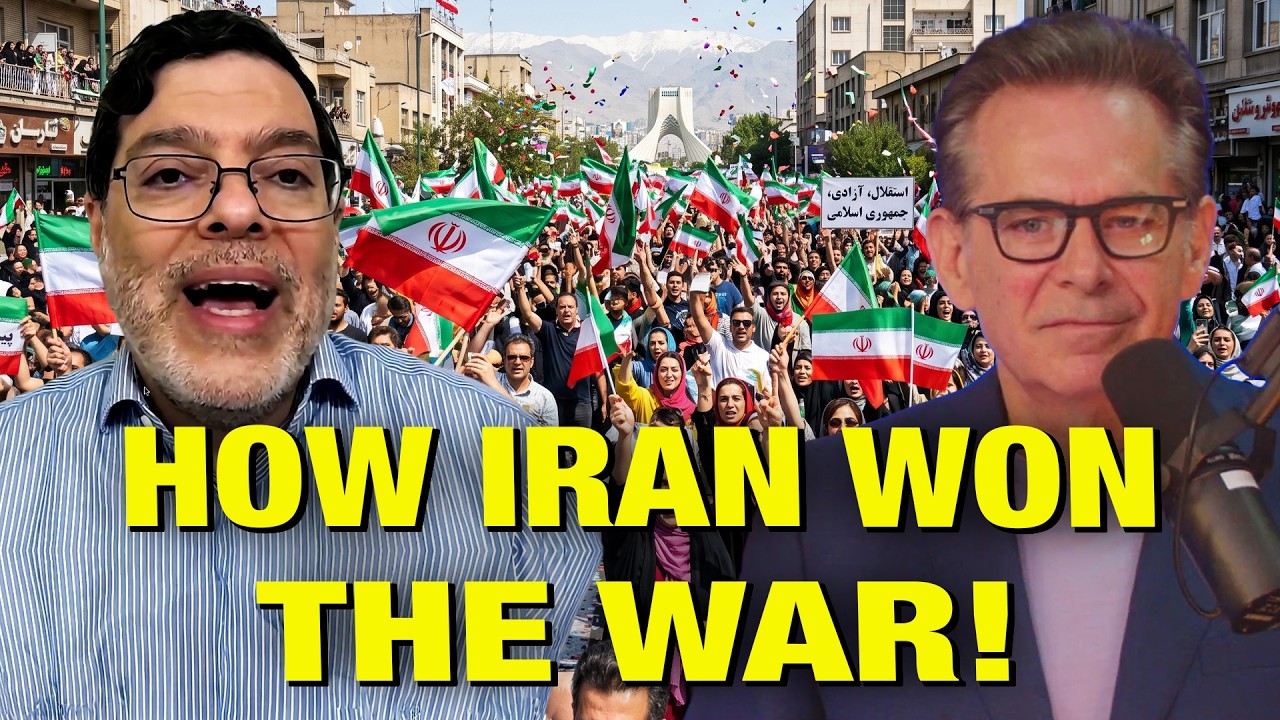
The REAL Story About The War From INSIDE IRAN! – Jimmy Interviews Prof. Marandi
"Professor Marandi, an Iranian academic, details how Iran emerged stronger from recent conflicts, now controlling the Strait of Hormuz and possessing a credible deterrent against its adversaries, despite facing economic siege and Western-backed regional proxies."

Larry Johnson & Col. Wilkerson: 4 US Warships Tried to Enter Strait of Hormuz – Then Iran Launched
"A critical analysis reveals escalating US-Iran military confrontations in the Strait of Hormuz, a stark disconnect in diplomatic rhetoric, and a significant geopolitical realignment in the Middle East away from US influence."
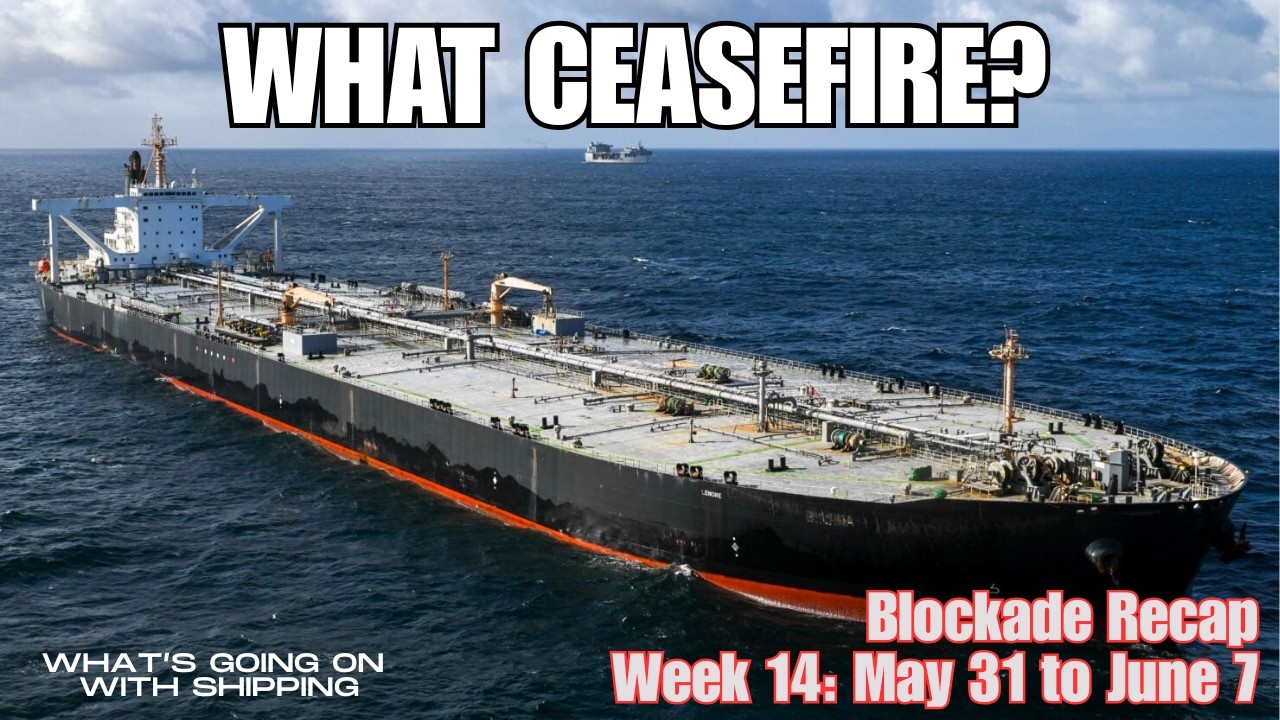
The Global Shipping Crisis: 14 Weeks of the Persian Gulf Blockade
"The ongoing 14-week blockade in the Persian Gulf has severely disrupted global shipping, causing massive spikes in freight rates, collapsing Iranian oil exports, and creating a precarious global energy supply chain."
BREAKING: U.S.-Iran Talks COLLAPSE; Hormuz Standoff Deepens; Hezbollah Fire | TBN Israel
"US-Iran negotiations in Islamabad collapsed over the nuclear issue and control of the Strait of Hormuz, leading to heightened tensions and a potential US naval blockade strategy."