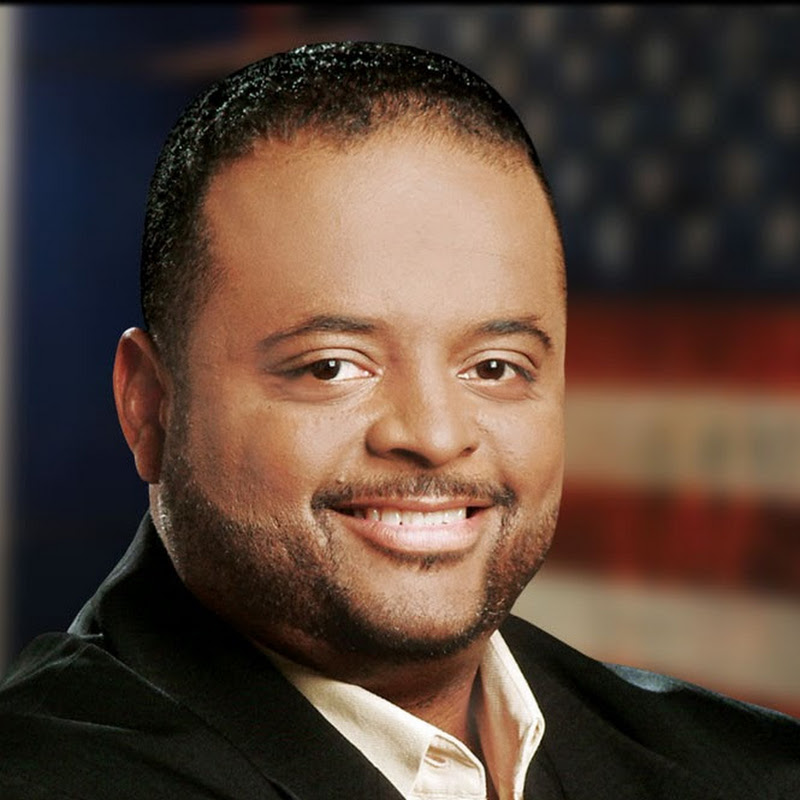
Louisiana Postpones Election. Roland Moderates Black men's Mental Health Forum in Shreveport.
YouTube · xoTU6fPqGzY
Quick Read
Summary
Takeaways
- ❖Louisiana's congressional primaries were postponed after a Supreme Court ruling invalidated a majority-Black district, signaling a major blow to the Voting Rights Act.
- ❖This ruling empowers states to redraw maps that could diminish Black political power, with fears of widespread impact across the South.
- ❖A Shreveport forum highlighted the urgent need for culturally competent mental health services and community-driven strategies to combat domestic violence among Black men.
- ❖Effective community change requires moving beyond individual efforts to organized, data-driven mobilization and sustained pressure on elected officials for resource allocation.
- ❖Addressing deep-seated issues like intergenerational violence and parental apathy requires holistic, long-term solutions, not just reactive measures.
Insights
1Supreme Court Ruling Undermines Voting Rights Act
The Supreme Court's "Callais decision" is framed as "eviscerating Section 2 of the Voting Rights Act," allowing states like Louisiana to invalidate majority-Black congressional districts and postpone elections. This decision is seen as a culmination of the Roberts Court's efforts to dismantle the VRA, turning Reconstruction Amendments on their head to justify racially discriminatory outcomes under the guise of "colorblind" policy.
The Callais decision, which to be clear, eviscerates Section 2 of the Voting Rights Act.
2Threat to Black Political Power Across the South
The ruling creates a "break glass moment," empowering state legislatures in the "old Confederacy" (e.g., Alabama, Tennessee, Texas) to redraw maps that could significantly reduce Black representation at all levels of government, from Congress to local school boards. This is viewed as a systematic attack aimed at "crushing black power" and eradicating Black political influence for the next century.
This is going to target and listen to me clearly. This Texas, Alabama, Florida, Arkansas, North Carolina, Carolina, Tennessee, the old Confederacy is that this is about crushing black power.
3Mental Health as a Root Cause of Domestic Violence
The panel emphasizes that domestic violence, including tragic murder-suicides, often stems from underlying mental health issues like anger problems, unaddressed trauma, and the inability to regulate emotions. There's a strong call to move beyond simply expressing outrage to confronting the psychological factors driving violent behavior in men.
If men are committing 96% of domestic violence cases, at some point, we're going to have to talk about what is going on with men.
4Need for Culturally Competent Mental Health Services
Dr. Kevin Washington highlights that not all mental health services are effective, especially if therapists lack understanding of the unique cultural experiences, racial socialization, and systemic oppression faced by Black men. This cultural disconnect contributes to Black men's reluctance to seek therapy.
If the person that is putting the particular cast on the body has no knowledge of what the bone looked like prior to its breakage, then the cast will be put on in a manner that would deform the particular body. Same thing then for therapy.
5Community-Driven Action and Resource Mobilization
Real change requires organized community efforts, not just individual activism or reliance on external institutions. This involves identifying existing resources, conducting community assessments, building databases of engaged individuals, and exerting collective pressure on elected officials to allocate funding for programs addressing mental health, violence prevention, and youth development.
We meet and we gather, but we don't organize and mobilize. So the data is critically important.
Bottom Line
The Supreme Court's argument for a "colorblind constitution" is used to invalidate measures designed to remedy historical racial discrimination, effectively allowing partisan gerrymandering to achieve racial disenfranchisement by exploiting the correlation between race and political affiliation.
This legal framing provides a powerful, seemingly neutral justification for policies that have demonstrably disparate racial impacts, making it harder to challenge them legally.
Activists must expose the disingenuous nature of "colorblindness" when applied to deeply racialized political realities, focusing on the *impact* of policies rather than just the stated intent.
Effective prevention programs, particularly in areas like violence and mental health, often go unrecognized because their success is measured by events *not* happening. This creates a challenge in securing sustained funding and public support, as reactive interventions often garner more attention.
Communities and policymakers tend to fund crisis response over long-term prevention, despite the latter's potential for greater impact.
Develop metrics and narratives that highlight the positive "non-events" and long-term societal benefits of prevention, making a compelling case for proactive investment.
Youth sports leagues are identified as a significant, often overlooked, avenue for engaging "hardcore young people" in inner cities. While currently focused on athletics, these programs could be enhanced with culturally relevant components like etiquette training and emotional regulation to address broader social issues.
Existing community structures, even those not explicitly social work-oriented, hold immense potential for intervention and mentorship if intentionally leveraged.
Partner with established youth sports organizations to integrate mental health, conflict resolution, and cultural etiquette components, transforming athletic programs into holistic development hubs.
Key Concepts
Micro to Macro Organizing
Effective community change starts with small, localized efforts and builds outward, rather than waiting for large-scale, top-down solutions. This involves building local databases, expanding networks, and applying pressure from the ground up.
Collective Power & Resource Distribution
Black communities, while individually facing challenges, possess immense collective economic and political power that must be organized and leveraged to secure resources and influence policy. This includes demanding specific allocations from public funds.
Culturally Competent Intervention
Mental health and social services must be tailored to the specific cultural experiences, needs, and aspirations of the Black community to be effective. Generic approaches that ignore racial dynamics risk being ineffective or even harmful.
Lessons
- Contact Louisiana's Power Coalition for Equity and Justice or the NAACP to support ongoing litigation and advocacy against voting rights rollbacks.
- Identify and align with local community organizations (churches, nonprofits, fraternities) that are actively working on mental health, domestic violence, and youth development, rather than starting new initiatives.
- Conduct a "community resource assessment" to map existing organizations and their specific "lanes" (e.g., anti-violence, mental health, economic development) to avoid duplication and maximize impact.
- Collect contact information (name, email, phone, area of interest) at community gatherings to build a database for sustained mobilization and organizing efforts.
- Pressure elected officials (school board, city council, state reps) with community-driven plans and data to allocate resources for culturally competent mental health and violence prevention programs.
Building Community Power: From Micro-Mobilization to Macro-Impact
Assess & Map Existing Resources: Conduct a thorough inventory of all community organizations, nonprofits, and institutions, identifying their specific areas of focus (e.g., anti-violence, mental health, youth, economic development).
Gather & Mobilize Engaged Individuals: At every community meeting or event, collect contact information (name, email, phone, area of interest) to build a robust database of committed participants.
Scale Through Replication: Implement a "bring one, get one" strategy for subsequent meetings, aiming to double participation and expand the network of mobilized individuals.
Develop Community-Driven Agendas: Collaborate with experts and community members to create concrete, data-backed agendas and proposals for addressing specific issues (e.g., mental health funding, violence prevention programs).
Exert Collective Political Pressure: Present these agendas to elected officials at all levels (school boards, city councils, state legislatures), leveraging the organized voter base to demand resource allocation and policy changes.
Sustain & Ignore Haters: Maintain consistent organizing efforts, build infrastructure, and remain focused on long-term goals, actively ignoring external criticism or apathy from those unwilling to participate.
Notable Moments
Election Postponement Due to Supreme Court Ruling: Louisiana's Governor Landry postponed congressional primaries after the Supreme Court invalidated a majority-Black district, creating widespread voter confusion and demonstrating aggressive tactics against Black enfranchisement.
This event directly illustrates the immediate, real-world impact of legal decisions on voting rights and sets a precedent for similar actions in other Southern states, threatening Black political power.
Shreveport Community Forum on Mental Health: Roland Martin moderates a forum in Shreveport addressing Black men's mental health and domestic violence, prompted by a recent tragic murder-suicide involving a father killing his children.
This forum highlights the critical need for open dialogue and community-based solutions for sensitive issues often stigmatized within Black communities, emphasizing proactive intervention over reactive responses.
Critique of "Go Seek Help" Advice: Roland Martin and panelists criticize generic advice to "go seek help" for mental health, arguing it ignores barriers like lack of insurance, culturally incompetent therapists, and the absence of clear pathways to effective services.
This moment underscores the importance of practical, accessible, and culturally relevant solutions in mental health, challenging superficial approaches and advocating for systemic support.
Quotes
"The Callais decision, which to be clear, eviscerates Section 2 of the Voting Rights Act."
"If men are committing 96% of domestic violence cases, at some point, we're going to have to talk about what is going on with men."
"If the person that is putting the particular cast on the body has no knowledge of what the bone looked like prior to its breakage, then the cast will be put on in a manner that would deform the particular body. Same thing then for therapy."
"We meet and we gather, but we don't organize and mobilize. So the data is critically important."
"A lot of young people are waiting for somebody to hand them the baton versus just starting off running."
"If the prevention program actually works, we really don't know. Until we until we see it on the backside, right? We only y'all So when there's a an event that takes place, then we run to But if you prevented it from happening, you really don't know that it it was prevented cuz it didn't happen."
Q&A
Recent Questions
Related Episodes

All Roads Lead To the South: Nat’l Day Of Action For Voting Rights | Mass Rally | Montgomery, AL
"A mass rally in Montgomery, Alabama, ignites 'Freedom Summer 2026' to combat the Supreme Court's decimation of Black political power and demand unprecedented voter mobilization across the South."

Mamá me golpeaba, busqué a papá y él me trajo a la cárcel | Yahana #Penitencia 196 #México
"Yahana recounts her harrowing journey from a childhood marred by domestic violence and parental abandonment to drug addiction and eventual incarceration, directly caused by her father's actions."

"Mini" Super Tuesday Primaries. Bodycam Clears Black Teen. Haitian Heritage Month. #TheBreakdown
"This episode breaks down critical political developments, highlights the power of bodycam footage in exonerating a Black teen, celebrates Haitian heritage, showcases innovative arts education, and champions breast cancer awareness for Black women."
Stavvy's World #181 - Jaboukie Young-White | Full Episode
"Stavros Halkias and Jaboukie Young-White dive into chaotic family histories, modern relationship dilemmas, and the absurdities of celebrity culture, offering unfiltered comedic takes and unconventional advice to callers."