Professor Pape: Why Iran GROUND INVASION IS Likely COMING
YouTube · zfyllo2Qiq8
Quick Read
Summary
Takeaways
- ❖The US-Iran conflict is following Professor Pape's "escalation trap" framework, currently in Stage 2 (horizontal escalation) and moving towards Stage 3 (ground forces).
- ❖"Smart bomb" strikes (Stage 1) failed to weaken Iran, instead making the regime more hawkish and increasing its control over global oil supply.
- ❖Iran has gained significant economic power, shipping oil and accumulating billions in Chinese banks, making sanctions ineffective.
- ❖A US ground invasion, specifically "limited territorial control options" like coastal areas or nuclear sites, is assessed as 75% likely.
- ❖The Strait of Hormuz presents extreme tactical challenges for US ground forces due to terrain, Iranian home-field advantage, and the risk of high casualties from even a single successful Iranian missile strike.
- ❖The US is preparing for a ground operation, moving Marines and potentially the 82nd Airborne, indicating an imminent decision point.
- ❖The current strategy is a "strategic disaster" for the US, with potential for further escalation beyond Stage 3.
Insights
1The Failure of "Smart Bombs" and Iran's Strategic Gains
Stage 1 of the escalation trap—using "smart bombs" to hit targets, destroy infrastructure, and kill leaders—has failed to achieve strategic objectives. Instead of weakening or toppling the Iranian regime, these actions have made it more hawkish and dangerous. Crucially, Iran has increased its control over global oil from 4% to 20% in 19 days, shipping oil and accumulating over a billion dollars in Chinese banks, effectively nullifying US sanctions and strengthening its position.
The escalation trap starts with stage one the smart bombs that hit targets destroy targets kill leaders but don't achieve the strategic objectives. Number one uh they uh they did not uh weaken the regime topple the regime. They uh didn't even move the regime to a dovish position. The regime is more hawkish, more dangerous now than ever... Iran in the last 19 days has grown from controlling 4% of the world's oil to now 20% of the world's oil. In fact, in the last 19 days, Iran has been shipping its oil out. It's made somewhere around a billion and a half dollars.
2Imminent Ground Invasion (Stage 3) and Preparations
Professor Pape assesses a 75% likelihood of a US ground force operation, or "limited territorial control options," occurring by early next week. This includes potential actions to seize nuclear material or control the Strait of Hormuz. The US is actively preparing, with 2,500 Marines moving from Japan (a process taking about 18 days) and the 82nd Airborne likely preparing after canceling training. Trump's apparent indecision is framed as a tactic to buy time for these forces to be in position.
I would use the term inevitable, but what I mean is 75% likely... He needs time to get those Marines there. He's basically killing time while he's waiting for the actual physical options to be available to him. There's probably also preparations happening not just with the 2500 Marines that are moving from Japan... but also the 82nd Airborne is likely um uh preparing as well because they cancelled some of their training about 10 days ago... stage three would be limited territorial control cars coastal areas esphon.
3Tactical Disaster Risk in the Strait of Hormuz
A ground operation to control the Strait of Hormuz presents extreme tactical challenges for US forces. The geography, characterized by sheer cliffs and crevices, provides ideal defensive terrain for Iran, which has home-field advantage and decades of preparation (booby traps, landmines). While the US possesses advanced weaponry like 5,000 lb bunker buster bombs, destroying all mobile anti-ship missile capabilities is nearly impossible. Even a single successful Iranian missile strike on a US ship could result in dozens or hundreds of casualties, leading to a "tactical disaster" akin to historical events like Gallipoli.
the geography here in order to take territory with ground forces the offense has to reveal itself... tremendous exposure... The bottom line though is you just showed those images. My goodness gracious here. Uh, this is going to be a challenge and and this is like saving private Ryan territory... they only need to score one hit on one of our ships... We may knock out 98% of what's coming at them, but they only need to have one, maybe two hits, and right away you've got dozens, if not hundreds dead... This looks like this World War I disaster called Gallipoli.
Bottom Line
Iran's asymmetric strategy focuses on economic warfare and exploiting geographical advantages rather than conventional military engagement, allowing them to gain power even under US military pressure.
This strategy renders traditional "smart bomb" campaigns ineffective and pushes the US into a ground conflict where Iran holds tactical superiority, turning US military strength into a strategic vulnerability.
For analysts, understanding this asymmetric dynamic is crucial for predicting conflict outcomes and advising on non-military leverage points. For adversaries, it highlights a successful model for resisting technologically superior powers.
Key Concepts
The Escalation Trap
A framework predicting the stages of conflict escalation, starting with ineffective "smart bomb" strikes (Stage 1), leading to horizontal economic escalation by the adversary (Stage 2), and ultimately forcing the initiator into ground force options (Stage 3) due to a lack of strategic objectives achieved.
Lessons
- Recognize that "smart bomb" campaigns often fail to achieve strategic objectives against determined adversaries, potentially strengthening their resolve and economic power.
- Assess geopolitical conflicts through frameworks like the "escalation trap" to anticipate future stages and avoid reactive decision-making.
- Evaluate the tactical disadvantages of conventional forces in complex terrains against adversaries with home-field advantage, especially when the adversary only needs a few successful strikes to inflict significant damage.
Notable Moments
Professor Pape's comparison of a potential Strait of Hormuz ground operation to "Saving Private Ryan territory" and the World War I disaster at Gallipoli.
This vivid analogy underscores the extreme tactical risks and potential for high casualties faced by US forces in such an invasion, highlighting the historical precedents for such military miscalculations.
Quotes
"Iran in the last 19 days has grown from controlling 4% of the world's oil to now 20% of the world's oil. In fact, in the last 19 days, Iran has been shipping its oil out. It's made somewhere around a billion and a half dollars."
"I would use the term inevitable, but what I mean is 75% likely."
"We may knock out 98% of what's coming at them, but they only need to have one, maybe two hits, and right away you've got dozens, if not hundreds dead, and they're dead in the water."
Q&A
Recent Questions
Related Episodes
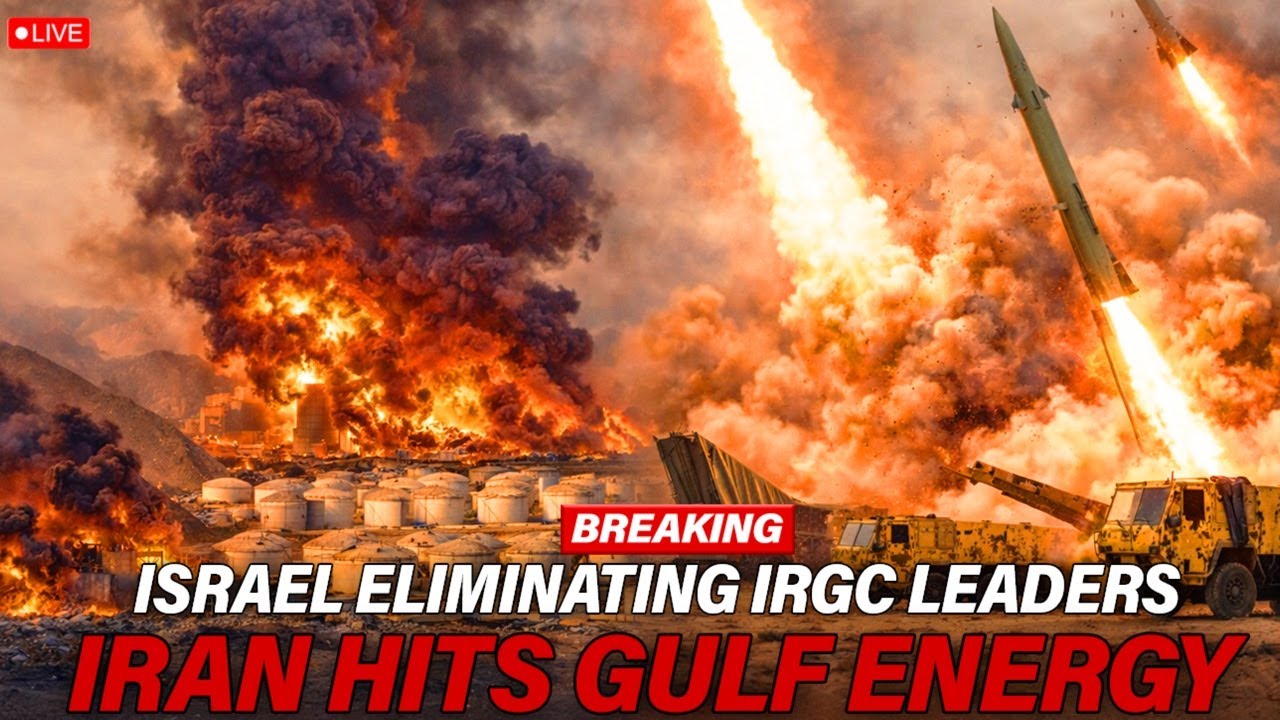
BREAKING: U.S. Weighs INVADING Iran Oil Island; Gulf Energy Crisis Grows | TBN Israel
"As the US and Israel systematically dismantle Iran's military and leadership, the conflict escalates into an energy war, with the US considering ground invasion of Iran's critical Karag oil island to secure global oil routes."

Patrick Henningsen: Hezbollah JUST Fired Back at Israel - Iran Vows to “Crush” All Attacks
"Patrick Henningsen argues that the US and Israel initiated an illegal war against Iran, driven by Trump's incompetence and Israeli influence, leading to an inevitable escalation with severe global economic repercussions."

Bibi DEMANDS Ground Troops As Marines Rushed to Iran
"Benjamin Netanyahu is pushing for US ground troops in Iran, framing air strikes as insufficient, while the US rushes Marines to the region and struggles to secure the Strait of Hormuz against surprisingly capable Iranian defenses."
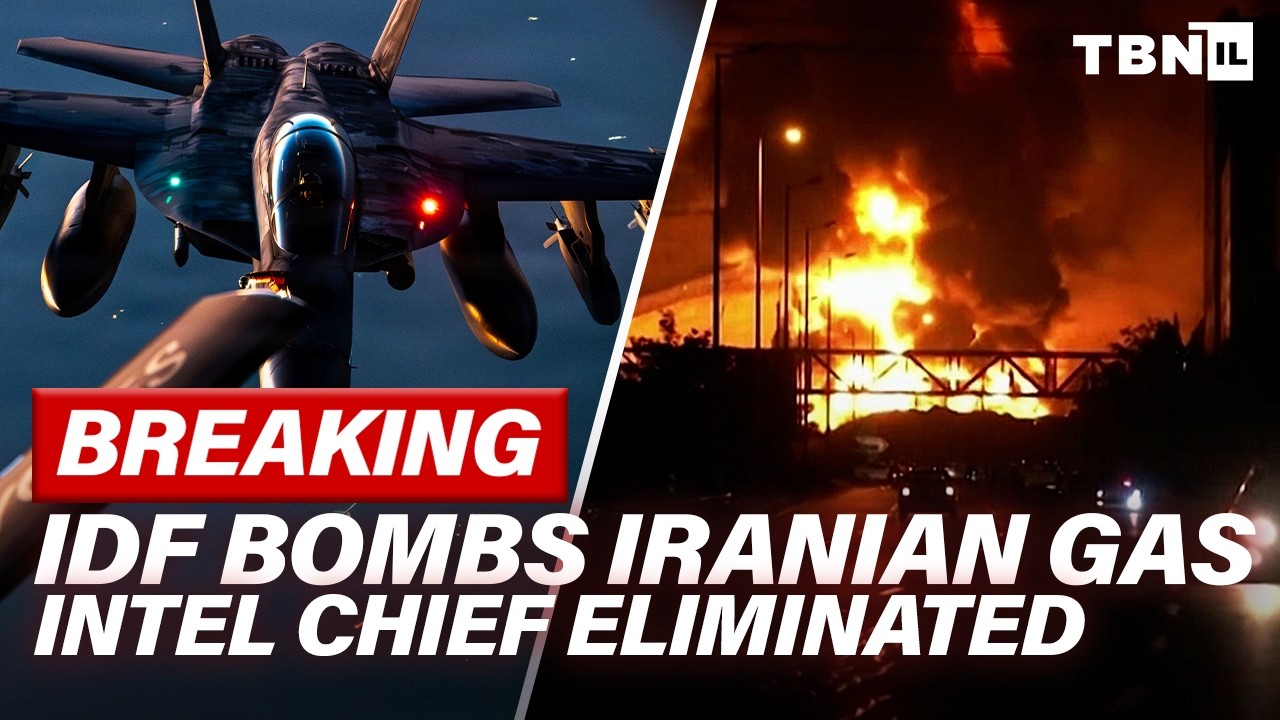
BREAKING: Israel BOMBS Major Iran Gas Site; Top Mullah ELIMINATED; Iran Vows VENGEACE | TBN Israel
"Israel and the United States have escalated their 'Roaring Lion War' against Iran, striking its largest gas facilities, eliminating key intelligence and military figures, and disrupting missile production, while Iran threatens a broader energy war in the Gulf."