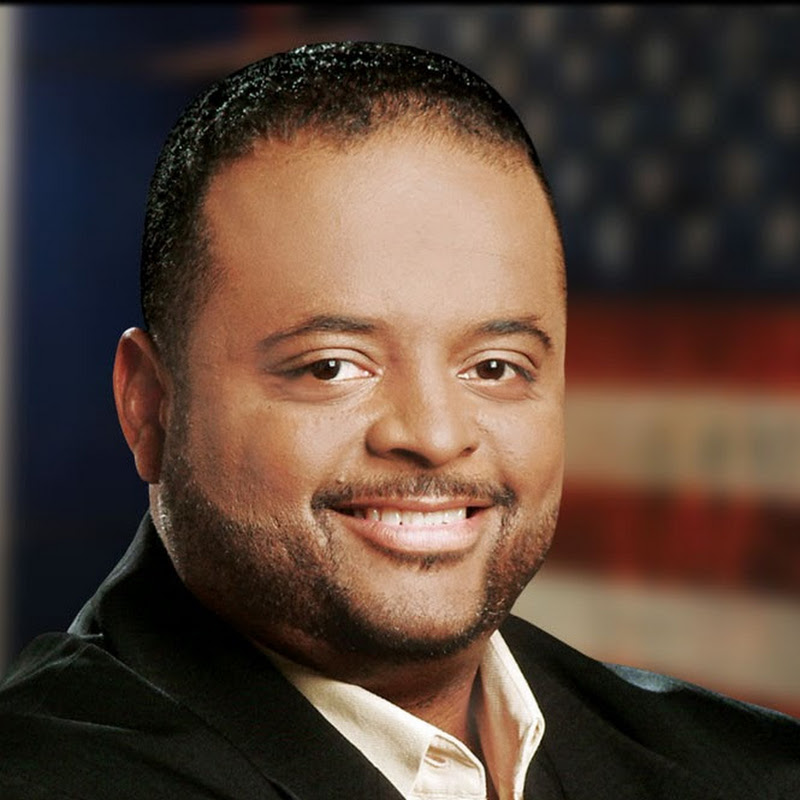
Xernona Clayton talks about working with MLK and Coretta Scott King #MLKDay2026
YouTube · 8Zirve4sb-0
Quick Read
Summary
Takeaways
- ❖A personal encounter with racial hatred at a White Castle in college became Xernona Clayton's defining moment for committing to fight racism.
- ❖Clayton worked undercover for the Urban League in the 1950s, exposing major Chicago companies like Marshall Field's and Spiegel's for discriminatory hiring despite their public support for civil rights organizations.
- ❖Coretta Scott King's concert tours were a critical, often overlooked, funding source for the SCLC, with Xernona Clayton traveling extensively with her.
- ❖Martin Luther King Jr. experienced deep depression after speaking out against the Vietnam War, losing financial and political support from former allies.
- ❖Robert Kennedy provided highly specific, actionable support (installing phone lines, arranging a plane) to Coretta Scott King immediately after MLK's assassination, contrasting with generic offers of help.
- ❖Richard Nixon privately donated a substantial sum to Coretta Scott King to cover the education of all four King children, a little-known gesture.
- ❖Xernona Clayton facilitated the unprecedented denouncement of the KKK by its Grand Dragon, Calvin Craig, through persistent, personal dialogue.
- ❖The Trumpet Awards were founded by Clayton to showcase positive achievements of Black Americans, countering negative media portrayals and educating the public.
Insights
1The Defining Moment: A White Castle Encounter
Xernona Clayton recounts a pivotal incident during her college years in Nashville. While attempting to buy hamburgers at a White Castle with friends, a white employee wielding a butcher knife used a racial slur and threatened them, stating, "You don't belong in here." This direct experience of hatred, particularly the phrase "you don't belong here," profoundly impacted her, solidifying her lifelong commitment to fighting racism.
He said, 'If you don't get out of here, I'm going to cut your heads off.' 'You know you don't belong in here, so get out.' ... The pain was inside of you. It still is today. Because he said two things that bothered me to this day is you don't belong here.
2Exposing Corporate Hypocrisy: Urban League Undercover
Before joining SCLC, Clayton worked for the National Urban League in Chicago, conducting undercover investigations into major companies like Marshall Field's, Spiegel's, and Montgomery Ward. These companies publicly supported civil rights organizations but refused to hire Black individuals. Clayton would call about job openings, be told they were available, then arrive minutes later only to be informed the position was "just filled," documenting these systemic denials.
They were good guys in terms of like contributing with the NAACP dinner, they'd buy tickets. But they wouldn't hire people. So the Urban League said, 'Well, let's see if they really are good as they pretend to be.' ... I called and said, 'Is that job open?' 'Oh, yes.' ... Less than 5 minutes I'm there. And then 'Oh, gee, we just filled it.'
3Coretta Scott King's Crucial Role in SCLC Funding
Xernona Clayton's husband, Ed Clayton, was recruited by Martin Luther King Jr. for his public relations skills. Ed then suggested Xernona could help Coretta Scott King organize concerts to raise money for the SCLC. These concerts became highly successful, leveraging Coretta's status as MLK's wife to draw large crowds and secure vital funding for the movement and staff salaries.
Coretta wanted to do concerts to raise money for SCLC. But she couldn't get off the ground and Ed 'I'll help you do that and my wife is really good. Um she'll help you also.' ... Oh, they they were very successful and she, you know, the the nation now is beginning to embrace Martin Luther King.
4MLK's Depression and Isolation After Vietnam Speech
Xernona Clayton reveals that Martin Luther King Jr. died a "very depressed man" due to the widespread backlash and loss of support following his April 4, 1967, "Beyond Vietnam" speech. Both white and Black allies, including key financial donors, withdrew their support, leaving him feeling abandoned and unable to comprehend why his friends couldn't understand his anti-war stance.
He died a very depressed man because he had made um that speech about Vietnam... And it seemed like his world shut down. People stopped giving. Even his friends who you could count on for money just dried up. Black folks. Oh, yes.
5MLK's Premonition and Plan to "Retool" Before Memphis
Just before his final trip to Memphis, MLK confided in Xernona Clayton that he felt the country was "not ready for change" and that all the progress they had made was "about all we're going to get." He expressed his intention to abandon the Poor People's Campaign and take a year off with Coretta in India to "retool" and strategize a new approach upon his return.
He told her, and see, I drove him to the airport to go to Memphis, but he said to me that he felt like the country was at a point now where it was not ready for change. That all the change we've made is about all we're going to get. And so, when he comes back from Memphis, he said, 'When I come back from this trip, Coretta and I going to take a year off to go to India again. We got to retool.' ... He was going to abandon the idea.
6Robert Kennedy's Distinctive and Actionable Support After MLK's Death
Following MLK's assassination, many prominent figures offered generic condolences to Coretta Scott King. However, Robert Kennedy's call stood out for its immediate, practical, and specific actions: he dispatched a team to install nine additional phone lines at the King residence, arranged a private plane to transport MLK's body from Memphis, and instructed Xernona Clayton to secure all hotel rooms in Atlanta for dignitaries attending the funeral.
Mr. Kennedy said, um 'It's obvious, Mrs. King, that um you need more telephone lines because I've been trying to get you ever since the news broke. But Mr.' ... 'is en route to Atlanta now to install nine telephone lines for you. He'll be there at tonight.' ... 'So, we've dispatched a plane. It's already there in Atlanta.' ... 'Mrs. Nona, call every hotel in the city of Atlanta. Talk to the management and put a clamp on all the rooms in the hotel, I mean, in the city.'
7Richard Nixon's Private Donation for King Children's Education
Xernona Clayton reveals that Richard Nixon, then a Republican candidate, privately visited Coretta Scott King after MLK's assassination. Despite MLK's known negative feelings towards him, Nixon made a personal call, without press or entourage, and presented a personal check to cover the entire educational expenses for all four King children, expressing shared grief and American responsibility.
He said, 'I have brought with me a check, a personal check, that we are feeling um the grief. And because we are Americans, we have to take some responsibility for this. So, as our personal expression of sympathy, we want to educate all four your children. And this check that we have here will cover their expenses wherever they go.'
8Coretta Scott King's Unwavering Resolve for Black Press Coverage
During MLK's funeral arrangements, when the mainstream press attempted to exclude Ebony and Jet magazines from the pool photography area, Coretta Scott King firmly declared that if the Black press was not allowed, no one would be. This decisive action ensured that Black media, which had consistently supported the movement, received proper access and recognition, leading to Moneta Sleet Jr.'s Pulitzer Prize-winning photograph.
Lerone Bennett came in and said 'Mrs. King, they're not going to let Ebony and Jet into the pool photography area to shoot the funeral.' And according to him she said 'Send word if Ebony's not allowed no one will be allowed.' That's right. Yes. I was.
9Changing the Heart of a KKK Grand Dragon
Xernona Clayton recounts how, while chairing an integrated community board, she engaged in persistent, direct, and non-confrontational dialogue with Calvin Craig, the Grand Dragon of the Ku Klux Klan. By questioning his bigotry in the context of his Christian faith and role as a deacon, she ultimately influenced him to publicly denounce the KKK and withdraw from the organization, crediting her with changing his views.
Mr. Craig had a press conference he announced he was getting out denouncing the organization and he was getting out. And credited a black woman with changing his negative attitudes and I was that black woman.
10The Genesis of the Trumpet Awards
Driven by Martin Luther King Jr.'s belief that white people's hatred stemmed from ignorance, and frustrated by negative portrayals of Black Americans in media, Xernona Clayton conceived the Trumpet Awards. Leveraging her position at CNN, she created the awards to showcase the significant contributions and positive achievements of Black individuals, aiming to educate the broader public and change negative attitudes.
I was tired of seeing us on television uh acting like buffoons all the time... I kept hearing in my ear in my head ringing that Dr. King said he didn't think that all white people hated us. That if they knew us you know things would be different. And I said you know what they really don't know us.
Lessons
- Actively challenge discriminatory practices in employment and public life, even when they are subtly disguised.
- Prioritize and support organizations and media that accurately portray and celebrate the contributions of marginalized communities.
- Engage in persistent, respectful dialogue with those holding prejudiced views, focusing on shared humanity and moral inconsistencies, as a pathway to changing hearts.
- Recognize that true leadership involves not only public advocacy but also self-care and moments of solitude for reflection and planning.
- Demand specific, actionable support from allies rather than settling for generic offers of help during times of crisis.
Quotes
"If you don't get out of here, I'm going to cut your heads off."
"She not only married him, but she married his mission."
"Until and unless you change a man's heart, you may never change his behavior."
"I didn't know whether I would be here on your birthday or not, but I wanted your roses to be here."
"I'm black. I know where all the back doors are."
Q&A
Recent Questions
Related Episodes
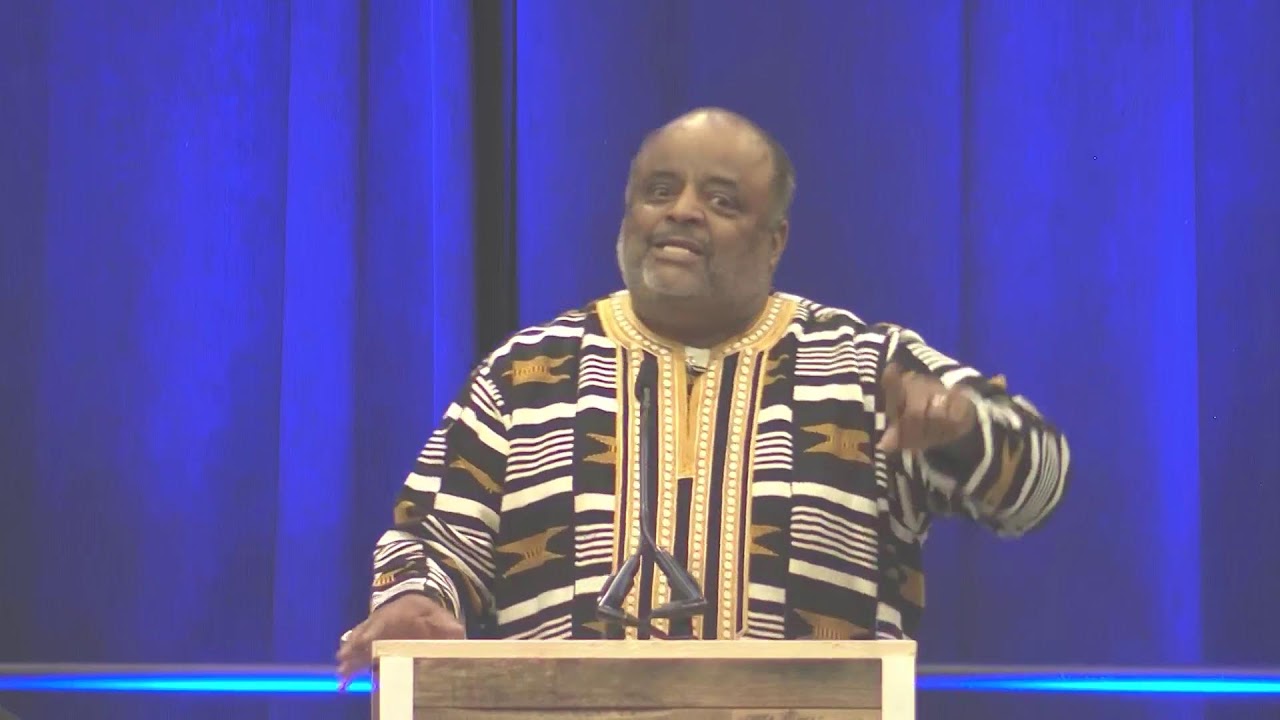
Roland speaks at Columbus Educ. Assoc. MLK Dinner
"Roland Martin challenges the audience at an MLK dinner to move beyond passive celebration and engage in active, sustained political and economic struggle, emphasizing that 'rest time is over' for those seeking real societal change."
Celebrating the Legacy of the Rev. Dr. Bernard Lafayette, Jr.
"This memorial service celebrates the life and enduring legacy of Rev. Dr. Bernard Lafayette, Jr., a pivotal civil rights leader, nonviolence strategist, and educator whose teachings transformed movements globally."
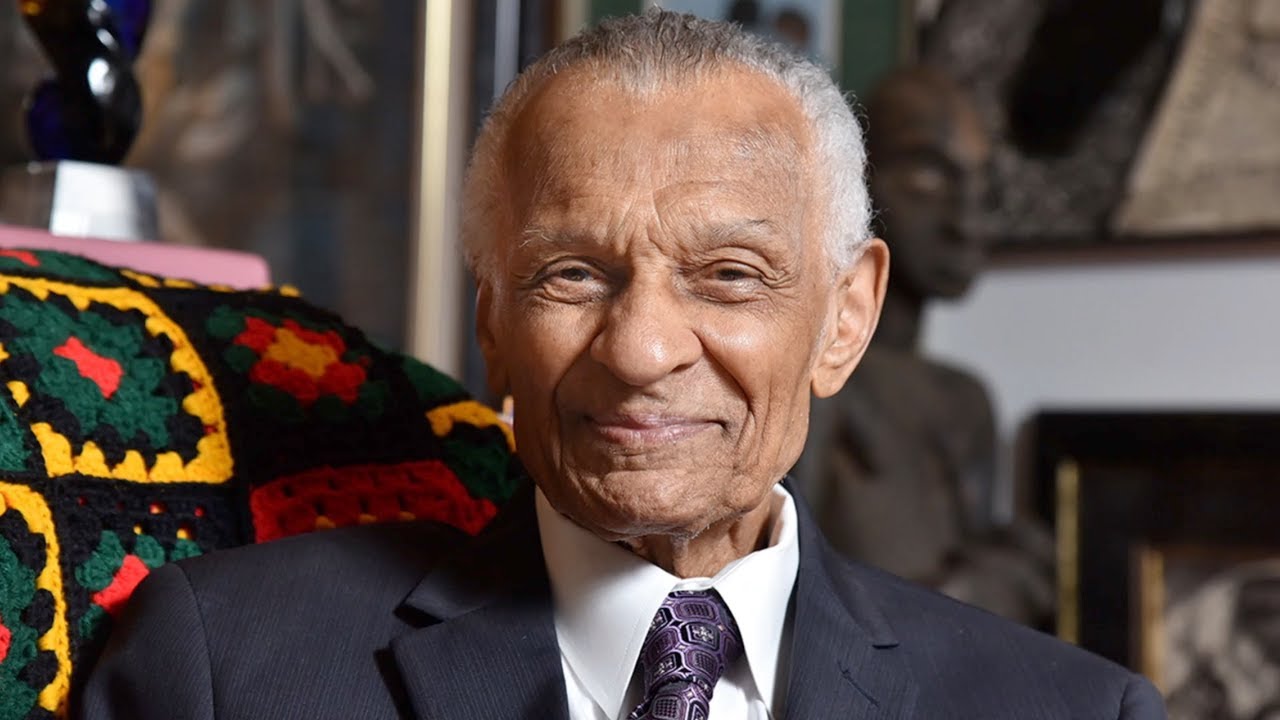
Rev. C.T. Vivian talks MLK and staring death in the face. #MLKDay2026
"Civil Rights icon Rev. C.T. Vivian reflects on a lifetime of struggle, from facing childhood bullies to confronting Jim Clark, and shares his profound insights on the continuous fight for freedom and the true cost of a movement."

All Roads Lead To the South: Nat’l Day Of Action For Voting Rights | Mass Rally | Montgomery, AL
"A mass rally in Montgomery, Alabama, ignites 'Freedom Summer 2026' to combat the Supreme Court's decimation of Black political power and demand unprecedented voter mobilization across the South."