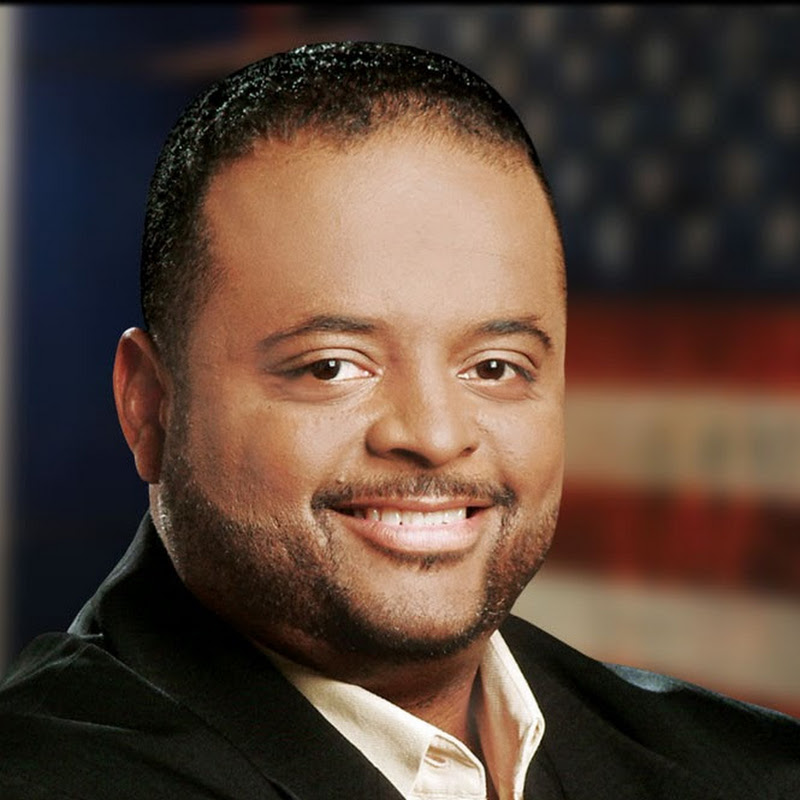
Mound Bayou. Built in Defiance. Powered by Black Self-Determination #TheBlackTable
YouTube · 9ptCsuuPSZk
Quick Read
Summary
Takeaways
- ❖Mound Bayou was founded in 1887 by Isaiah Montgomery, a former slave, as an independent Black 'country' in Mississippi.
- ❖It served as a model for Black self-determination, predating and influencing other all-Black towns like Black Wall Street.
- ❖The town was a hub of innovation, establishing the country's first HMO and an African-American manufacturing venture.
- ❖Prominent figures like Booker T. Washington and Theodore Roosevelt visited and lauded Mound Bayou's success.
- ❖During the Emmett Till trial, Mound Bayou provided a safe haven and communication hub for Mamie Till Mobley.
- ❖The Mound Bayou Museum of African-American Culture and History is actively preserving the town's legacy and seeking community involvement and investment for revitalization.
- ❖Herman Johnson Sr., a civil rights activist and former vice mayor, played a pivotal role in the town's development and succeeded Medgar Evers in a key position.
Insights
1Founding Vision of Mound Bayou
Mound Bayou was established in 1887 by Isaiah Montgomery, a former slave of Benjamin Davis (Jefferson Davis's brother), on swamp land in Mississippi. Montgomery, educated on the Hurricane plantation, envisioned an all-Black town built on principles of self-determination, where Black people could create their own 'country' and live in freedom.
Reverend Daryl Johnson details how Isaiah Montgomery, inspired by his father Benjamin Montgomery, conceived of a place where Black people could create their own country, not from the outside in, but from the inside out, focusing on education and self-governance. Herman Johnson Jr. describes it as 'its own country' designed for self-determination and innovation.
2Pioneering Achievements and National Recognition
Mound Bayou achieved several national 'firsts' for African-Americans, including the first HMO (Health Maintenance Organization) and the first African-American manufacturing venture. Its success attracted significant national attention, with figures like Booker T. Washington and President Theodore Roosevelt visiting and praising it as 'the jewel of the Delta' and an example of 100% Black success.
Herman Johnson Jr. states, 'The first HMO in the country was here. The first African-American manufacturing venture in the country was here.' Reverend Daryl Johnson mentions Theodore Roosevelt's visit in 1907, calling it 'the jewel of the delta' and noting its 100% Black population. He also highlights Booker T. Washington's mentorship of Charles Banks, who started a bank in Mound Bayou.
3Role as a Safe Harbor During Civil Rights Era
Mound Bayou provided a critical safe haven for Black individuals, particularly during the tumultuous Civil Rights era. Mamie Till Mobley, Emmett Till's mother, stayed in Mound Bayou during her son's trial, leveraging the town's independent infrastructure, including its own telephone exchange, to communicate with the outside world.
Reverend Daryl Johnson explains that Mamie Till Mobley stayed in Mound Bayou during the trial, and the town's independent telephone exchange allowed for crucial long-distance calls, making it a 'sacred place and a safe harbor for blacks and whites all over to come.'
4Legacy and Revitalization Efforts by the Johnson Family
The Johnson family, spanning generations, has been instrumental in Mound Bayou's history and current revitalization. Herman Johnson Sr. worked alongside Dr. T.R.M. Howard and succeeded Medgar Evers, actively fighting for voting rights and leading economic development initiatives. His sons, Herman Johnson Jr. and Reverend Daryl Johnson, now lead the Mound Bayou Museum of African-American Culture and History, preserving its legacy and driving new investment to restore the city.
Reverend Daryl Johnson details how his father, Herman Johnson Sr., took Medgar Evers' job as the NAACP field secretary and was involved with the Taborian hospital. Herman Johnson Sr. recounts paying poll taxes and leading economic development, securing $5 million in funding for the city. Herman Johnson Jr. and Reverend Daryl Johnson discuss their work with the museum and the 'Mound Bayou Movement' nonprofit.
Opportunities
Heritage Tourism & Cultural Preservation Investment
Invest in developing Mound Bayou as a premier destination for heritage tourism, focusing on its unique history of Black self-determination. This includes funding for the Mound Bayou Museum of African-American Culture and History, creating guided tours, and establishing local businesses (e.g., restaurants, accommodations) that cater to visitors interested in Black history and culture.
Community-Owned Development Corporation
Re-establish and expand a community-owned development corporation, similar to what Herman Johnson Sr. initiated, to pool local and external investments for purchasing land, developing infrastructure, and launching new businesses within Mound Bayou. This model ensures community benefit and wealth creation.
Educational Content & Media Production
Support scriptwriters, book writers, and media producers to create documentaries, educational materials, and feature films about Mound Bayou's history. This leverages the town's rich narrative to educate a wider audience and generate revenue through content licensing and related tourism.
Key Concepts
Self-Determination as a Nation-Building Principle
Mound Bayou was conceived not just as a town, but as a 'country' within a country, built on the principle that Black people could govern themselves, establish their own institutions, and thrive independently. This model influenced other Black communities and demonstrated the power of collective agency.
Incubator for Innovation and Economic Independence
The town fostered an environment where Black entrepreneurs and leaders could innovate without external racial barriers. This led to groundbreaking achievements like the first HMO and manufacturing ventures, showcasing how self-reliance can drive economic and social progress.
Lessons
- Visit the Mound Bayou Museum of African-American Culture and History in person to experience this critical part of Black history.
- Donate to the Mound Bayou Museum via their website (mountmuseum.org) to support the preservation and revitalization efforts.
- Consider investing in Mound Bayou's economic development, as opportunities exist to contribute to making it 'ground zero for African-Americanism.'
Quotes
"Mount Bayou was basically in a very small way its own country and it was designed that way and it was self you know with self-determination uh also with innovation."
"The first HMO in the country was here. The first African-American manufacturing venture in the country was here."
"He called that the he he said look this is the jewel of the delta and these are 100% black people. That's what he said. He called it 100% negroes."
"Our museum has a whole lot of things that people try to erase out of our history. We are showing it and people are so very happy when they come to see the very things that that people have been been really active trying to keep us from seeing and knowing."
Q&A
Recent Questions
Related Episodes

Celebrating Jackie Robinson Day 2026 | Jackie Robinson Museum Grand Opening Revisited
"The grand opening of the Jackie Robinson Museum reveals his profound impact beyond baseball, highlighting his unwavering commitment to civil rights, entrepreneurial vision, and the enduring legacy meticulously preserved by Rachel Robinson."

The Immortal Jim Crow. 'Goon Squad' Defamation Suit. Google Race Discrimination Case. #TheBreakdown
"This episode exposes the enduring grip of systemic racism through a Mississippi defamation suit, Google's racial discrimination settlement, and a deep dive into how Jim Crow's legacy still shapes Black America today."

Georgia Fort Pleads Not Guilty. Paralyzed Man Case Charges Dropped. Roy Cooper Senate Bid
"This episode delivers a powerful, multi-faceted tribute to Reverend Jesse Jackson Sr., highlighting his unparalleled impact on civil rights, economic empowerment, political strategy, and global diplomacy, emphasizing his role as an irreplaceable force for justice."
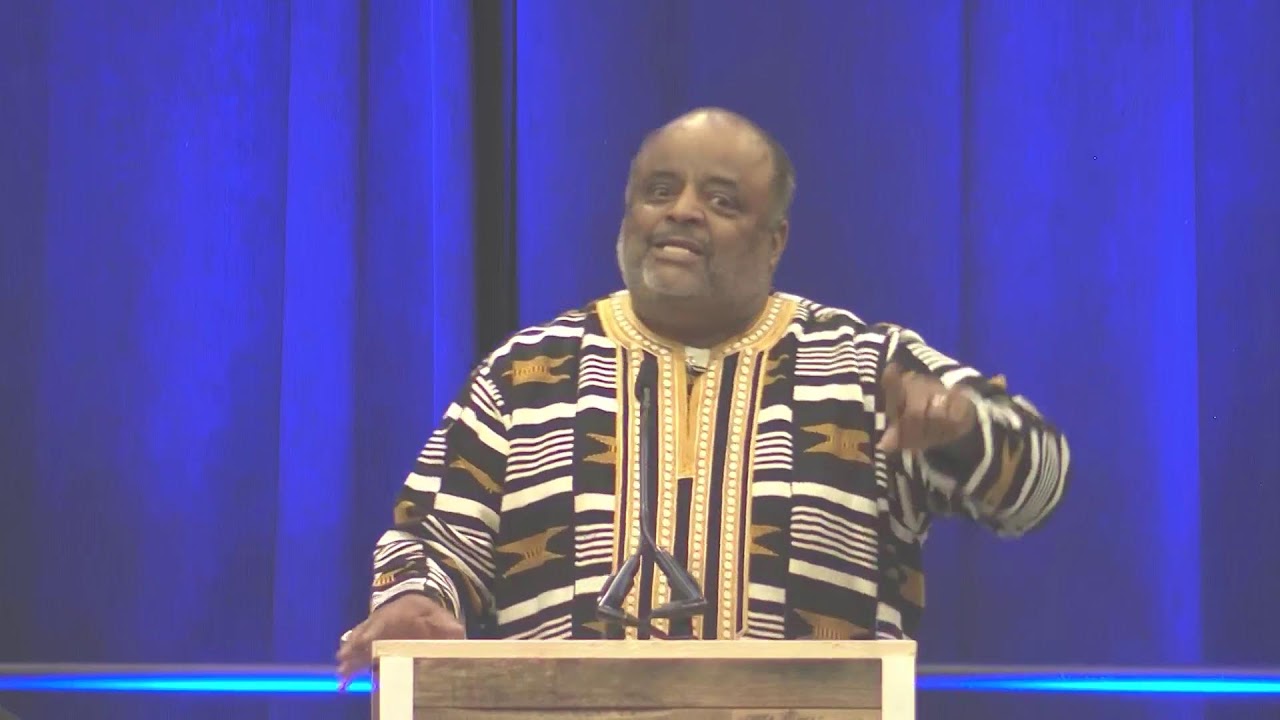
Roland speaks at Columbus Educ. Assoc. MLK Dinner
"Roland Martin challenges the audience at an MLK dinner to move beyond passive celebration and engage in active, sustained political and economic struggle, emphasizing that 'rest time is over' for those seeking real societal change."