U.S. DISABLES Iran Oil Tanker; Tomahawks Pound Regime Sites; Hormuz Crisis Explodes | TBN Israel
YouTube · CIiLTSsebcQ
Quick Read
Summary
Takeaways
- ❖The US conducted a second, more organized wave of strikes against Iranian surveillance, communication, and air defense systems.
- ❖The USS Michael Murphy launched 49 Tomahawk cruise missiles, alongside air and marine assets, targeting critical Iranian infrastructure.
- ❖The strikes extended beyond the Strait of Hormuz coastline to areas near Tehran, signaling the US's ability to reach centers of power.
- ❖Iran's Revolutionary Guards claimed attacks on US targets in Bahrain, Kuwait, and Jordan, which were mostly intercepted or caused minor damage.
- ❖The US disabled an Iranian oil tanker in the Gulf of Oman, demonstrating a move towards a full military naval blockade.
- ❖Trump's administration is frustrated by Iran's stalling tactics in nuclear negotiations and its continued provocations in the Strait of Hormuz.
- ❖A major US concession involved allowing Iran's enriched uranium stockpile to be diluted internally under IAEA supervision, rather than removed.
- ❖Israel's IDF is shifting its focus from Lebanon to Iran as the primary operational arena, recognizing the impact of the American naval blockade.
- ❖Mati Shoshani argues that Iran's 'ring of fire' deterrence strategy has failed, and the US/Israel have many more levers of power, including sinking Iran's shadow oil fleet.
- ❖Iran's leadership is characterized by internal tension between hardline IRGC ideologists and pragmatists, making a cohesive agreement difficult.
- ❖Turkey's President Erdogan is making threats against Israel to assert his country's regional influence amidst the US-Iran drama.
Insights
1US Escalates Strikes and Naval Blockade on Iran
The United States conducted a second, more extensive night of strikes inside Iran, targeting critical surveillance, communication, and air defense systems. These strikes, involving Tomahawk missiles and various aircraft, aimed to degrade Iran's ability to detect and respond to attacks, effectively 'opening the skies.' Concurrently, the US disabled an Iranian oil tanker in the Gulf of Oman, signaling a shift from mere punishment to a full military naval blockade designed to economically choke the Iranian regime.
Donald Trump warned of hitting hard again (). USS Michael Murphy launched 49 Tomahawk missiles (). Targets were surveillance, communications, and air defensive systems (). Explosions reported in Bandar Abbas, Sirik, Minab, Qeshm, Hengam () and western Tehran (). US Central Command announced disabling an oil tanker ().
2Iran's Stalling Tactics Fuel US Frustration and Action
The Trump administration's frustration stems from Iran's prolonged stalling in nuclear negotiations. Despite a significant US concession to allow Iran's enriched uranium stockpile to be diluted internally under IAEA supervision, Iran delayed its response, asking for more time through mediators. This perceived time-buying, coupled with continued drone operations in the Strait of Hormuz, prompted Trump to authorize focused strikes to send a clear message: the US will not tolerate delays or threats to maritime freedom.
In Washington, they feel Tehran dragged them along in negotiations for no reason (). Iran was dragging out negotiations, avoiding an answer to the American proposal, and operating drones in the Strait of Hormuz (). Trump's major concession was allowing dilution of enriched uranium inside Iran (). Iran's foreign minister needed four to five days to move the proposal through decision-making mechanisms ().
3Internal Divisions Paralyze Iranian Leadership
Expert analysis suggests Iran lacks a cohesive, clear leadership capable of making historic decisions like abandoning its nuclear project. The regime is reportedly divided between hardline IRGC ideologists, who adhere to an 'end times theology' and seek to promote turmoil, and more pragmatic factions. This internal tension results in an inability to commit to agreements, leading to a 'waiting game' where Iran struggles to formulate a unified response to external pressures.
It is highly doubtful whether there is even one governing authority that can make such a historic decision inside the Iranian system (). Mati Shoshani states there's no one clear, cohesive leadership (). Hardcore ideologists within the IRGC want to promote turmoil and warfare (). Pragmatic individuals within Iran think differently ().
4Israel Shifts Focus to Iran, Leveraging US Pressure
The IDF is re-prioritizing Iran as its main operational arena, moving Lebanon to a secondary status. Israel identifies the American naval blockade as having a significant impact on Iran and believes its own actions against Iran enabled US and Israeli air superiority. This strategic shift aligns with the US campaign to pressure Tehran, with Israel prepared for the realistic possibility of a full-pace US return to fighting against Iran.
Here in Israel, the IDF changing its priorities (). The IDF was prepared for the realistic possibility that the United States would return to fighting against Iran at a full pace (). Israel identifies that the American naval blockade is having a major impact on Iran (). The IDF is currently taking its foot off the gas in Lebanon and intends to turn Lebanon back into a secondary arena and Iran into the main one ().
Bottom Line
The US has the capability to locate and sink Iran's 'shadow fleet' of oil tankers globally, representing a significant untapped lever of power.
This capability could cripple Iran's illicit oil exports, a primary source of revenue, far beyond current blockades. It would exert extreme economic pressure, potentially forcing the regime to the negotiation table more quickly.
For analysts, monitoring global shipping data for patterns of 'dark' vessels and their potential vulnerabilities could predict future escalations or shifts in US strategy. For adversaries, it highlights the need for more sophisticated evasion tactics or alternative revenue streams.
The US and Israel possess advanced intelligence and covert operational capabilities within Iran, including sleeper cells and targeted elimination of key individuals.
This suggests that military strikes are only one facet of a multi-pronged strategy. Covert actions can destabilize the regime from within, target specific programs (e.g., ballistic missiles), and eliminate leadership, potentially accelerating internal collapse or policy shifts without overt warfare.
Understanding the interplay between overt military pressure and covert intelligence operations is crucial for predicting outcomes. For intelligence agencies, it underscores the value of long-term human intelligence and cyber capabilities in high-stakes geopolitical conflicts.
Key Concepts
Negotiation Under Fire
The US strategy of applying military pressure and economic blockades simultaneously with diplomatic efforts to force an adversary (Iran) to the negotiating table and accept terms. Trump's approach is framed as 'a strike in one hand and an agreement in the other.'
Ring of Fire Doctrine (Iranian)
Iran's strategy of using proxies to create a deterrence ring around itself, aiming to prevent direct attacks by threatening regional escalation. The guest, Mati Shoshani, asserts this doctrine has 'failed in the most magnificent way' due to US/Israeli counter-actions.
Calculated Response
Iran's tactic of responding to US strikes with enough noise and claimed attacks to project strength domestically and regionally, but without inflicting significant damage or casualties that would trigger a full-scale US declaration of war.
Lessons
- Monitor the Strait of Hormuz for further US naval actions and Iranian responses, as it remains a key flashpoint for escalation.
- Observe statements from the IAEA regarding Iran's enriched uranium stockpile and inspection access, as these are central to any potential nuclear agreement.
- Analyze internal reports and expert opinions on Iran's leadership divisions to gauge the regime's capacity for unified decision-making and negotiation.
- Track Turkey's diplomatic and military posturing in the Middle East, particularly concerning Israel and the US, to understand its evolving role in regional power dynamics.
Notable Moments
US disabled an Iranian oil tanker after the crew failed to obey instructions, hitting its engine room.
This marks a significant escalation, indicating the US is moving beyond punitive strikes to actively enforce a military naval blockade, directly impacting Iran's economic lifelines and signaling a new phase in the conflict.
Trump made a major concession in nuclear talks, agreeing to allow Iran's enriched uranium to be diluted internally under IAEA supervision, rather than removed abroad.
This concession highlights the US's strong desire for a deal and its willingness to compromise, but also underscores Iran's perceived intransigence and stalling tactics, which ultimately led to the renewed military strikes.
Mati Shoshani asserted that Iran's 'ring of fire' deterrence doctrine has 'failed in the most magnificent way.'
This statement challenges Iran's long-standing regional strategy, suggesting that its reliance on proxies to deter attacks has proven ineffective against the combined resolve of the US and Israel, potentially forcing a re-evaluation of Iran's defense posture.
Quotes
"Trump is waiting for Iran's answer. And he's becoming more and more frustrated."
"If Iran does not sign the agreement tomorrow, we will bomb the hell out of them."
"The United States made sure to notify Iran before the strikes that at this stage, it will not strike civilian areas."
"Mess around and find out. Well, they just found out."
"What happens to Iran if tomorrow suddenly, out of the blue, some of their shadow fleet that's hiding in all these bays in Asia... starts sinking. Is that not another lever of power on the Iranian regime?"
"Trump wants to present Iran as the side calling him to ask for a ceasefire. Iran wants to show its public that it does not speak under fire and does not surrender to pressure."
Q&A
Recent Questions
Related Episodes

BREAKING: U.S. SINKS Iranian Boats; Iran Talks Stall; Israel Hits Beirut | TBN Israel
"The U.S. and Israel escalate military actions against Iran and its proxies, while diplomatic talks stall over Iran's nuclear program, Strait of Hormuz fees, and the future of Hezbollah."
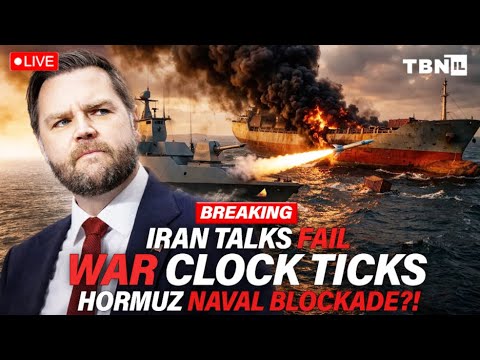
BREAKING: U.S.-Iran Talks COLLAPSE; Hormuz Standoff Deepens; Hezbollah Fire | TBN Israel
"US-Iran negotiations in Islamabad collapsed over the nuclear issue and control of the Strait of Hormuz, leading to heightened tensions and a potential US naval blockade strategy."
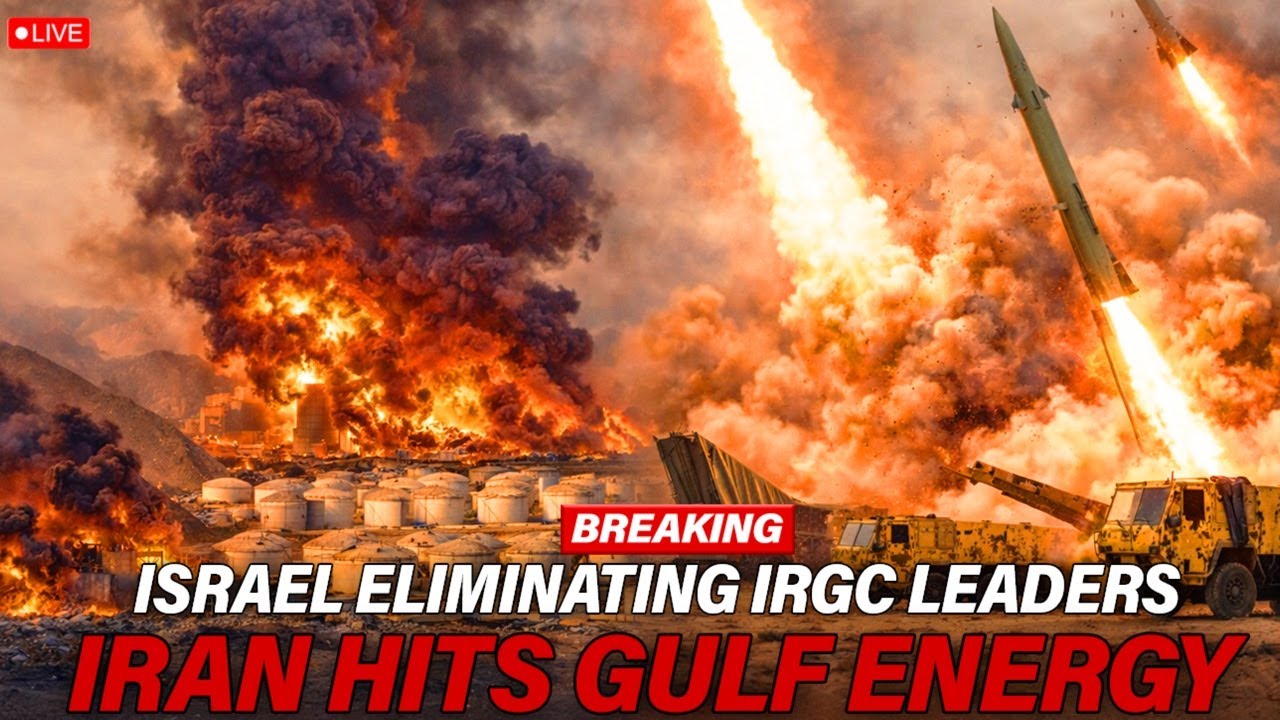
BREAKING: U.S. Weighs INVADING Iran Oil Island; Gulf Energy Crisis Grows | TBN Israel
"As the US and Israel systematically dismantle Iran's military and leadership, the conflict escalates into an energy war, with the US considering ground invasion of Iran's critical Karag oil island to secure global oil routes."
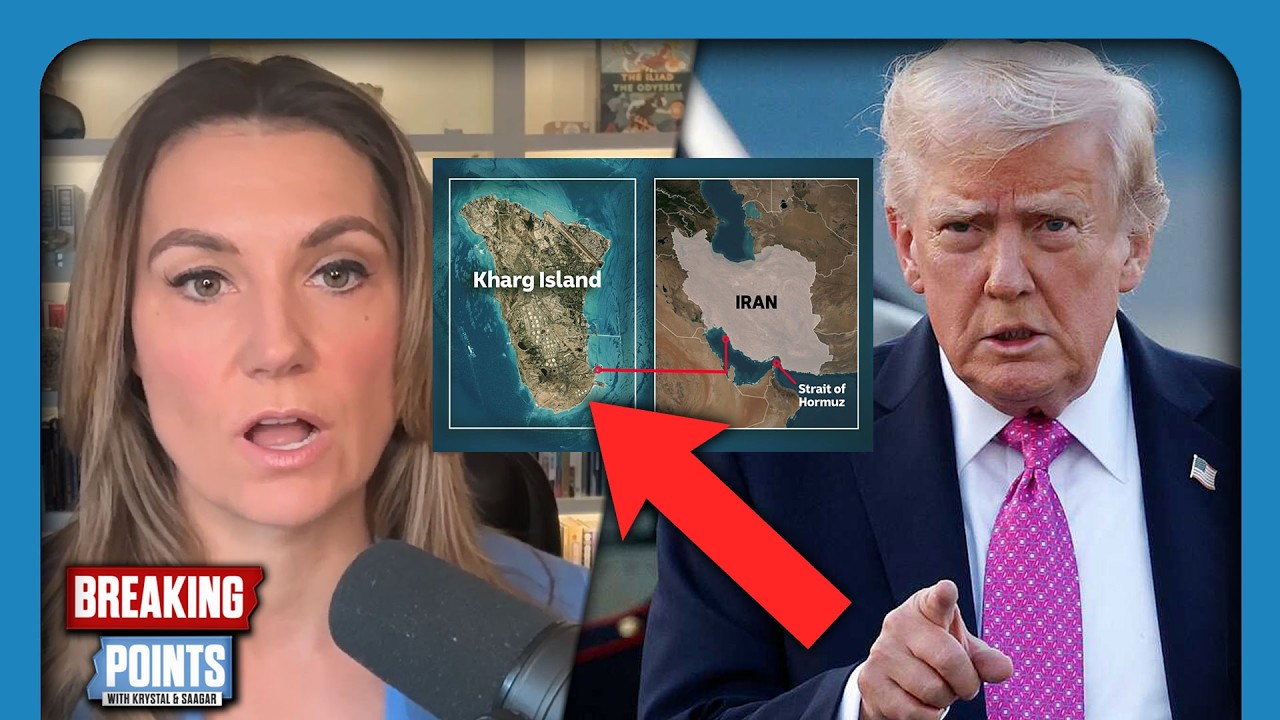
BREAKING: TRUMP ATTACKS OIL ISLAND, MARINES CALLED IN, 5 US PLANES HIT
"The US-Iran conflict escalates with a Trump-ordered strike on Iran's Karg Island, triggering Iranian retaliation against UAE oil facilities and US military assets, while the US deploys Marines and Israel plans a ground invasion of Lebanon."