BREAKING: U.S. Special Forces Weighs Iran Nuclear Stockpile Raid; Iran Navy DECIMATED | TBN Israel
YouTube · Sua1pChuEW0
Quick Read
Summary
Takeaways
- ❖US Special Forces (Navy Seals, Delta Force) are weighing an operation to secure Iran's enriched uranium stockpiles in Isfahan.
- ❖The Israeli Air Force conducted broad strikes against critical infrastructure, underground missile complexes, and military university targets in Tehran.
- ❖Iran's missile capabilities have reportedly dropped by 90%, with claims of 420 missiles reduced to 45.
- ❖The US military operation 'dismantled' a central part of the Iranian Navy, with claims that most of its forces are at the bottom of the sea.
- ❖US and Israel are targeting Iran's oil reserves and economic facilities to shorten its war-fighting lifeline and prevent sanction circumvention.
- ❖Iran's strategy includes threatening the Strait of Hormuz and attacking desalination facilities in the Persian Gulf to inflict economic pain and global market disruption.
- ❖The Arab world, particularly Sunni nations, is reportedly 'thanking Israel' for dismantling their 'nemesis' (Iran), despite public diplomatic stances.
- ❖Ethnic minorities in the Middle East, such as the Kurds, are seen as potential 'boots on the ground' allies for US/Israel, willing to fight radical Islamic regimes.
- ❖The conflict aims to delay or cripple Iran's force buildup for years, not just achieve a temporary ceasefire.
Insights
1Potential US Special Forces Raid on Iranian Uranium Stockpiles
Washington and Jerusalem are discussing a special ground operation involving elite US units (Navy Seals, Delta Force) to take control of Iran's enriched uranium stockpiles in Isfahan. This indicates the nuclear issue remains a central concern, shifting focus from bombing to securing the material to prevent its disappearance or use in a renewed nuclear race.
Israeli and American intelligence confirmed hundreds of kilograms of enriched uranium remain in underground facilities. The host states, 'The very fact that this possibility is being examined shows just how central the nuclear issue remains even after the major waves of strikes.'
2Economic Warfare: Targeting Iran's Oil Infrastructure
The US and Israel are systematically bombing Iran's oil reserves and refineries. This strategy aims to deplete Iran's ability to finance the war, supply its military vehicles, and power its infrastructure. It also prevents Iran from making money by selling oil illegally or circumventing sanctions, thereby shortening its overall 'lifeline' in the conflict.
Mati Shashani explains, 'Our move is we start bombing their oil reserves. And what that does is twofold. One, it shortens the lifeline on their ability to fight a war supplied.' He details how Venezuela's oil ties to Iran were cut to prevent sanction circumvention.
3Decimation of Iranian Military Capabilities
The combined US-Israeli strikes have severely degraded Iran's military. Reports indicate a 90% drop in missile attacks and a significant portion of the Iranian Navy being destroyed. This erosion of offensive capabilities is a key metric for the US and Israel in assessing the campaign's success.
The Chairman of the Joint Chief of Staff said 'Iran's missile attacks have dropped by 90%'. Trump claimed 'most of Iran's naval forces is at the bottom of the sea.'
4Iran's Counter-Strategy: Global Economic Disruption
Iran's primary counter-strategy involves threatening global oil markets by targeting desalination facilities in the Persian Gulf and threatening to close the Strait of Hormuz. This aims to inflate oil prices, create political pressure on the US, and force an end to the conflict on Iran's terms.
The host states, 'Iran continues to attack its most important asset, desalination facilities in the Persian Gulf are in Iran's sights.' Mati Shashani explains, 'The way to do that is by closing the straits of Homus, which is where about a quarter of the world's crude oil travels.'
5Arab World's Covert Support for Israeli Actions
Despite public diplomatic statements, the Arab world, particularly Sunni nations, is reportedly 'thanking Israel' for dismantling the Iranian Islamic regime. This highlights a divergence between public and private sentiment in the region, driven by shared animosity towards Iran.
Mansour Ashkar states, 'The Arab world is thanking Israel right now for taking down their nemesis. The Sunna world is watching right now and beholding how Israel is dismantling the Iranian Islamic regime.'
6Role of Ethnic Minorities as Proxies
Ethnic minorities like the Kurds are positioned as crucial 'boots on the ground' allies for US/Israel in the conflict against radical Islamic regimes. These groups, often feeling betrayed by various powers, are willing to fight if provided with weapons and technology, offering a solution for external powers to avoid direct ground troop deployment.
Mansour Ashkar explains, 'America found a very good solution which was the Kurds... They're coming and saying clearly, America, you don't want boots on the ground, make us your boots. Give us weapons, give us technology. We will go and we'll finish them off.'
Bottom Line
The long-term objective of the US/Israel campaign is not merely a ceasefire but to cripple Iran's force buildup for 'many years forward,' fundamentally altering its capacity to develop weapons.
This suggests a strategic shift from containment to long-term incapacitation, implying a prolonged and deep-reaching conflict designed to reshape regional power dynamics permanently.
Analysts and policymakers should focus on post-conflict scenarios that account for a significantly weakened Iran and the potential for new regional alignments or internal fragmentation.
The weakening of radical Islamic regimes in the Middle East (e.g., Iran, Hezbollah) is empowering oppressed minorities (Christians in Lebanon, Jews in Syria, Kurds) to voice dissent and seek greater autonomy or freedom.
This indicates a potential for internal instability and fragmentation within existing states as the central power weakens, leading to new political landscapes and potential conflicts among factions.
International actors could explore supporting these emerging minority voices and movements to foster more stable, pluralistic societies, though this carries risks of exacerbating internal conflicts.
The 'Muslim Ummah' (global Muslim community) is fundamentally driven by the acquisition and retention of land under Sharia law, making the loss of territory (like Iran) a profound fear across Muslim countries, regardless of sectarian divides.
This underlying 'programming' means that even Sunni nations, while disliking Shia Iran, would oppose its fragmentation if it meant 'losing land from Islam,' complicating regional alliances and peace efforts.
Understanding this core motivation is critical for diplomatic engagement, as it reveals a deep-seated resistance to territorial changes that might be perceived as a loss for the broader Muslim world, even if it benefits regional stability.
Lessons
- Monitor global oil markets and the Strait of Hormuz for indicators of escalating economic warfare and its potential impact on supply chains.
- Analyze public and private diplomatic statements from Middle Eastern nations to discern true geopolitical alignments and potential shifts in alliances.
- Investigate the status and capabilities of ethnic minority groups (e.g., Kurds) in conflict zones as potential proxies or partners in future stabilization efforts.
Quotes
"America's elite units, the Navy Seals, and the Delta forces are on way to Isvahan in Iran for a special operations."
"From 420 missiles, we have gone down to only 45. The dramatic collapse of the Iranian array is being exposed."
"The military operation that dismantled the Iranian Navy has been revealed."
"The Arab world is thanking Israel right now for taking down their nemesis. The Sunna world is watching right now and beholding how Israel is dismantling the Iranian Islamic regime."
"America, you don't want boots on the ground, make us your boots. Give us weapons, give us technology. We will go and we'll finish them off."
"The mountain is our only friend because the mountain never betray us because they feel like they have been betrayed by everyone from the Islam, the Sunnah, the Shia all the way to the Americans."
Q&A
Recent Questions
Related Episodes

Larry Johnson & Col. Wilkerson: 4 US Warships Tried to Enter Strait of Hormuz – Then Iran Launched
"A critical analysis reveals escalating US-Iran military confrontations in the Strait of Hormuz, a stark disconnect in diplomatic rhetoric, and a significant geopolitical realignment in the Middle East away from US influence."
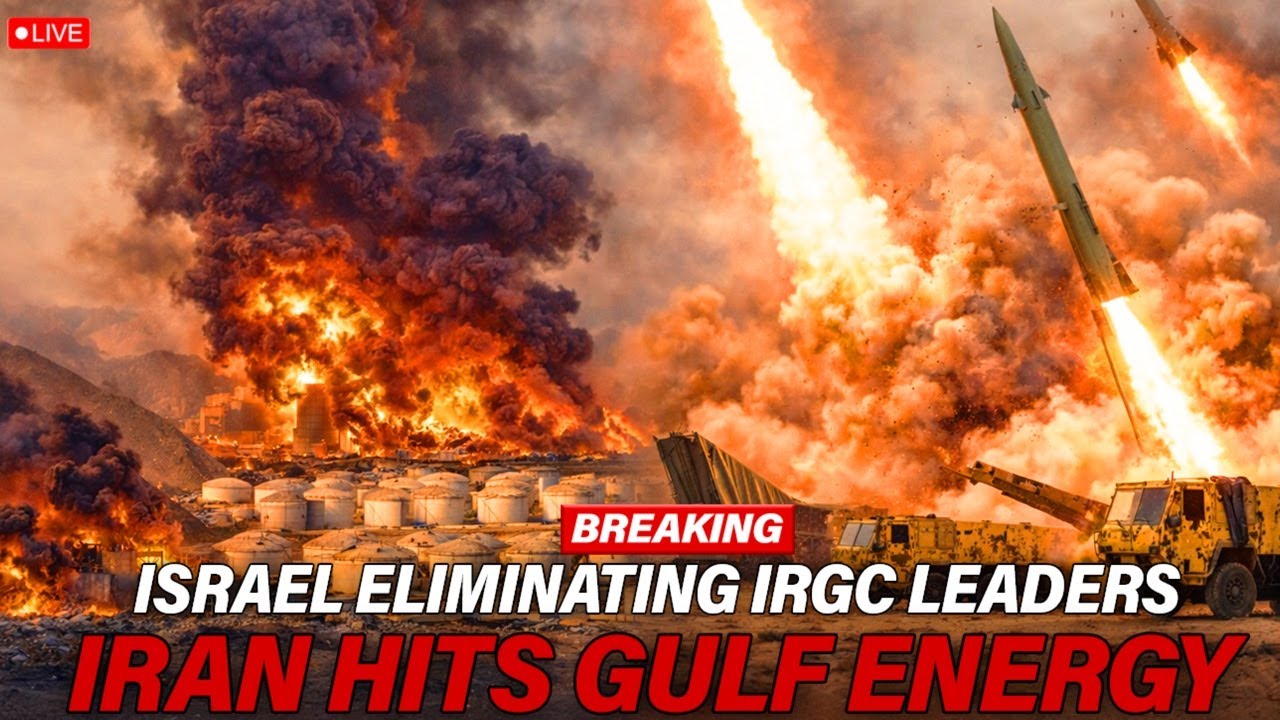
BREAKING: U.S. Weighs INVADING Iran Oil Island; Gulf Energy Crisis Grows | TBN Israel
"As the US and Israel systematically dismantle Iran's military and leadership, the conflict escalates into an energy war, with the US considering ground invasion of Iran's critical Karag oil island to secure global oil routes."
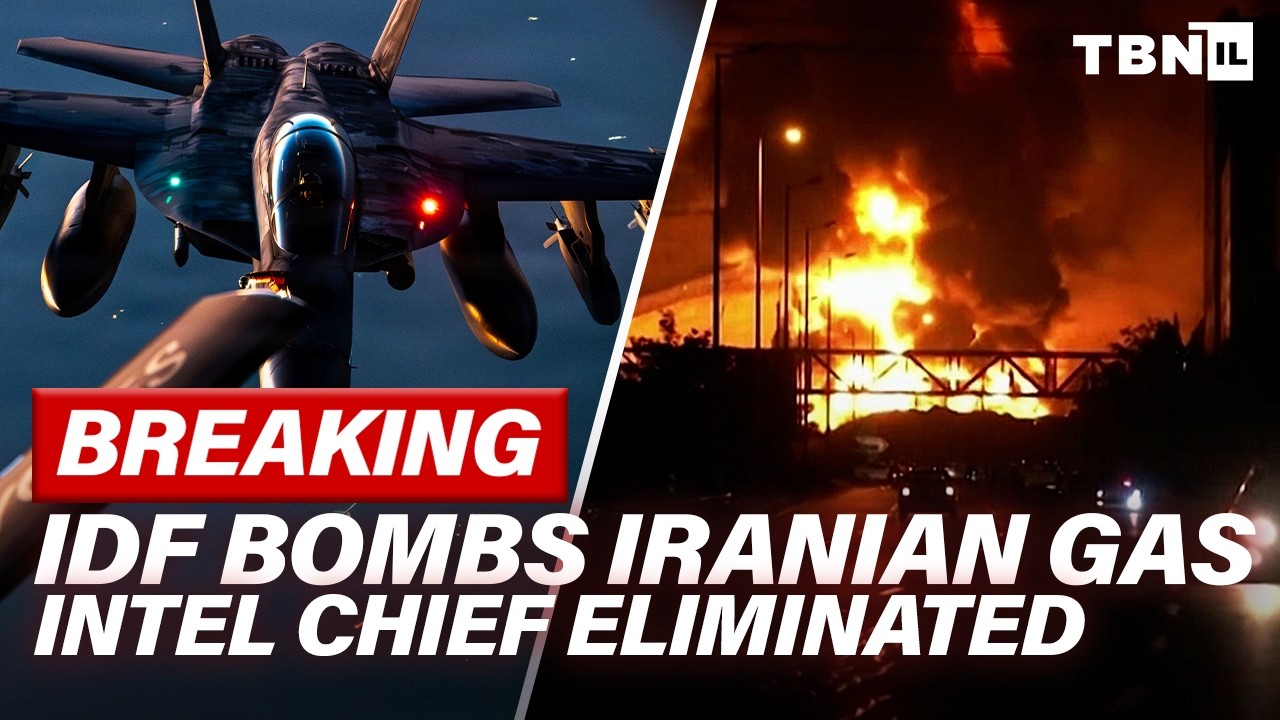
BREAKING: Israel BOMBS Major Iran Gas Site; Top Mullah ELIMINATED; Iran Vows VENGEACE | TBN Israel
"Israel and the United States have escalated their 'Roaring Lion War' against Iran, striking its largest gas facilities, eliminating key intelligence and military figures, and disrupting missile production, while Iran threatens a broader energy war in the Gulf."
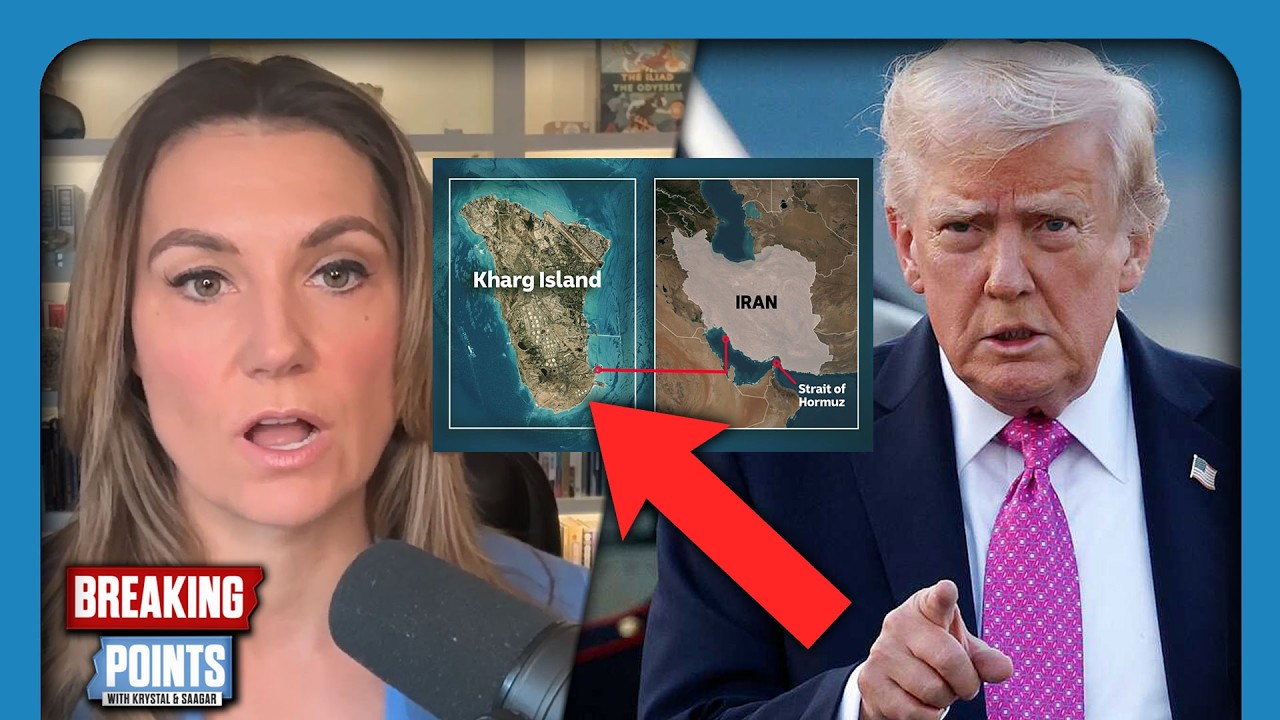
BREAKING: TRUMP ATTACKS OIL ISLAND, MARINES CALLED IN, 5 US PLANES HIT
"The US-Iran conflict escalates with a Trump-ordered strike on Iran's Karg Island, triggering Iranian retaliation against UAE oil facilities and US military assets, while the US deploys Marines and Israel plans a ground invasion of Lebanon."