#RolandMartinUnfiltered Presents: “April 4, 1968”
YouTube · kgzef3oNz2c
Quick Read
Summary
Takeaways
- ❖Yolanda King, then a young child, recalls the profound confusion and delayed processing of her father's death, exacerbated by the public nature of his life and funeral.
- ❖Coretta Scott King's immediate response to her husband's death was characterized by immense public composure, but private moments of intense grief, such as when trying on her funeral headdress.
- ❖Robert Kennedy provided immediate, practical support to Coretta Scott King, arranging phone lines, transportation, and logistical assistance for the funeral, demonstrating a clear understanding of the operational needs during such a crisis.
- ❖Richard Nixon, then a Republican candidate, made a personal, unannounced visit to Coretta Scott King and offered a private check to cover the education of all four King children.
- ❖Many close associates, including Jim Lawson, delayed their personal grieving process, immediately shifting into 'work mode' to prevent further violence and continue the movement.
- ❖Clarence Jones, MLK's lawyer, experienced intense anger and thoughts of violent retaliation after the assassination, highlighting the raw emotional toll on those committed to non-violence.
- ❖MLK's mother called him out for taking her for granted, prompting him to call her and his brother multiple times on the day of his death, an unusual pattern of behavior.
Insights
1Childhood Trauma and Delayed Grief
Yolanda King, Dr. King's daughter, recounts her confusion at her father's funeral, particularly hearing his voice played during the service after being told he couldn't speak. She describes a childhood marked by an 'incessant drive of looking for another daddy' and a delayed processing of grief, which resurfaced decades later. The trauma was compounded by subsequent family deaths, including her uncle and grandmother, all within six years.
Yolanda King describes not remembering April 4th, 1968, but vividly recalling the funeral, the heat, and her confusion when her father's voice was played. She mentions looking for a 'daddy' figure among photographers and the fear of losing her mother. She notes processing her anger and grief into adulthood because she didn't get a chance to as a child. (, , , )
2Coretta Scott King's Public Strength and Private Grief
Coretta Scott King maintained remarkable composure in the public eye, immediately stepping into leadership and organizing the King Center. However, close associates witnessed her private struggles. She could not bring herself to tell her younger children that their father was dead, only that he was 'seriously hurt.' A poignant moment of private grief occurred when she tried on the headdress for the funeral, realizing the finality of her loss.
A close associate describes Coretta Scott King's struggle to tell her children about their father's death, only saying he was 'seriously hurt.' The associate also recounts Coretta's only moment of crying during the entire week was when she tried on the headdress designed for the funeral, realizing, 'This is what I'm wearing to my husband's funeral.' (, )
3Practical Support from Robert Kennedy
Robert Kennedy's response to MLK's assassination was uniquely practical and proactive. While others offered condolences, Kennedy immediately dispatched a team to install nine additional telephone lines at the King residence, arranged a plane to transport MLK's body from Memphis, secured hotel rooms in Atlanta for visiting dignitaries, and offered his team's experience in managing such a crisis.
A close associate details Robert Kennedy's phone call to Coretta Scott King, where he outlined specific actions: sending a team to install nine phone lines by AM, dispatching a plane to Memphis, and booking all hotel rooms in Atlanta for dignitaries. Kennedy stated, 'We know how we've got experience in this. We know what we're doing.' ()
4Unexpected Financial Aid from Richard Nixon
Richard Nixon, then a Republican candidate, made a discreet, unannounced visit to Coretta Scott King. He presented her with a personal check from himself and his wife, Pat, to cover the full educational expenses for all four King children, expressing a shared American responsibility for the climate that led to the assassination.
An associate recounts Nixon's visit, where he came alone and presented a personal check, stating, 'We are feeling the grief and because we are Americans, we have to take some responsibility for this.' He offered the check to 'educate all four of your children,' covering their expenses wherever they chose to go. ()
5The Mortician's Challenge and a Friend's Intervention
During the viewing of Dr. King's body, a close associate found his face 'awful' due to the injuries, with the mortician stating, 'That's the best I could do.' The associate, with help from MLK's mother and Harry Belafonte's wife, mixed their dark and white loose powders to cosmetically improve King's appearance for the public viewing, performing this act three times due to oxidation.
An associate describes seeing MLK's body and finding it 'awful' and 'horrified' due to his jaw being 'blown up.' The mortician confirmed it was 'the best I could do.' The associate then took dark powder from Mama King and white powder from Belafonte's wife, mixed them, and applied it to King's face to achieve a more natural appearance, repeating the process three times. ()
6Clarence Jones's Rage and Thoughts of Retaliation
Clarence Jones, MLK's lawyer, experienced profound anger and contemplated violent retaliation after the assassination. He questioned his non-violent discipline, recalling his special forces training and thoughts of organizing violent groups, before ultimately seeking to leave the country to process his rage.
Clarence Jones describes his immediate thought: 'They finally got him.' He recounts his seething anger, drinking heavily, and thinking, 'I really know how to kill a person 10 different ways.' He considered contacting former army comrades and even street gangs, thinking, 'That's what we need to do.' He later shared these 'crazy things' with Harry Belafonte and others. (, )
7MLK's Premonition and Unusual Calls
Many close to Dr. King believed he had a premonition of his death, noting his increasing awareness of accumulating enemies. On the day of his assassination, he made unusual calls to his mother and brother, and gave his wife artificial roses for her upcoming birthday, stating he didn't know if he'd be there in person.
Speakers mention MLK 'always talked about the fact that he would be shot down' () and that he 'began to understand that he had gone so far that it would be almost impossible for him to escape danger if not death.' () An associate recalls MLK making four unusual calls to his mother and father on April 4th, and giving Coretta artificial roses for her April 27th birthday, saying, 'I didn't know whether I would be here on your birthday or not, but I wanted your roses to be here.' (, )
Lessons
- Recognize and address personal and collective trauma: Understand that historical tragedies can have long-lasting, delayed psychological impacts that require conscious processing, even decades later.
- Cultivate resilience and strategic action in crisis: Learn from Coretta Scott King and other leaders who, despite immense personal grief, immediately shifted to practical, organized efforts to continue the movement and prevent further harm.
- Seek and offer practical support during times of loss: Beyond condolences, concrete actions like logistical aid, financial assistance, or help with immediate needs can be profoundly impactful, as demonstrated by Robert Kennedy and Richard Nixon's responses.
- Confront and process anger constructively: Acknowledge the intense emotions that arise from injustice and loss, and find ways to channel them into productive advocacy rather than destructive impulses, drawing from Clarence Jones's struggle.
- Educate future generations on the complexities of history: Use personal narratives and historical documents, like the FBI wiretap memo, to teach about past injustices and inspire a commitment to ethical leadership and social change.
Notable Moments
Yolanda King's confusion at her father's funeral, hearing his voice after being told he couldn't speak.
Highlights the profound and disorienting trauma experienced by MLK's young children, who struggled to reconcile their personal loss with his public image.
Coretta Scott King's private breakdown while trying on her funeral headdress.
Reveals the immense personal grief and the human cost behind her public strength and composure, underscoring the weight of her leadership.
Clarence Jones's initial thoughts of violent retaliation and his struggle with non-violence after MLK's death.
Demonstrates the raw, visceral anger and despair that even committed advocates of non-violence felt, illustrating the depth of the emotional impact.
The mortician's inability to fully conceal MLK's facial injuries, prompting a friend to cosmetically enhance his appearance for public viewing.
Provides a stark, grim detail of the violence of the assassination and the efforts made by those closest to him to preserve his dignity even in death.
Robert Kennedy's practical, immediate response to Coretta Scott King, providing logistical support rather than just condolences.
Illustrates a unique and effective form of support during a national crisis, contrasting with more conventional expressions of sympathy and highlighting Kennedy's experience with similar tragedies.
Richard Nixon's unannounced visit and personal financial contribution for the King children's education.
Reveals a surprising act of bipartisan empathy and personal responsibility from a political rival, offering a nuanced view of the responses to the assassination.
Former FBI Director James Comey showing his agents the RFK/Hoover wiretap memo as a lesson.
Indicates a recognition within the FBI of past wrongdoings and a commitment to preventing similar abuses of power, linking historical surveillance to the broader context of civil rights.
Quotes
"His body was buried, but his spirit is more alive now in more ways than any of us could ever imagine."
"He conquered the love of wealth and the fear of death. Now understand when you don't really care about money, you know things are going to be all right and you're not afraid to die. You're unstoppable."
"You can slay the dreamer but we will keep the dream alive."
"I didn't know whether I would be here on your birthday or not, but I wanted your roses to be here."
Q&A
Recent Questions
Related Episodes

Georgia Fort Pleads Not Guilty. Paralyzed Man Case Charges Dropped. Roy Cooper Senate Bid
"This episode delivers a powerful, multi-faceted tribute to Reverend Jesse Jackson Sr., highlighting his unparalleled impact on civil rights, economic empowerment, political strategy, and global diplomacy, emphasizing his role as an irreplaceable force for justice."
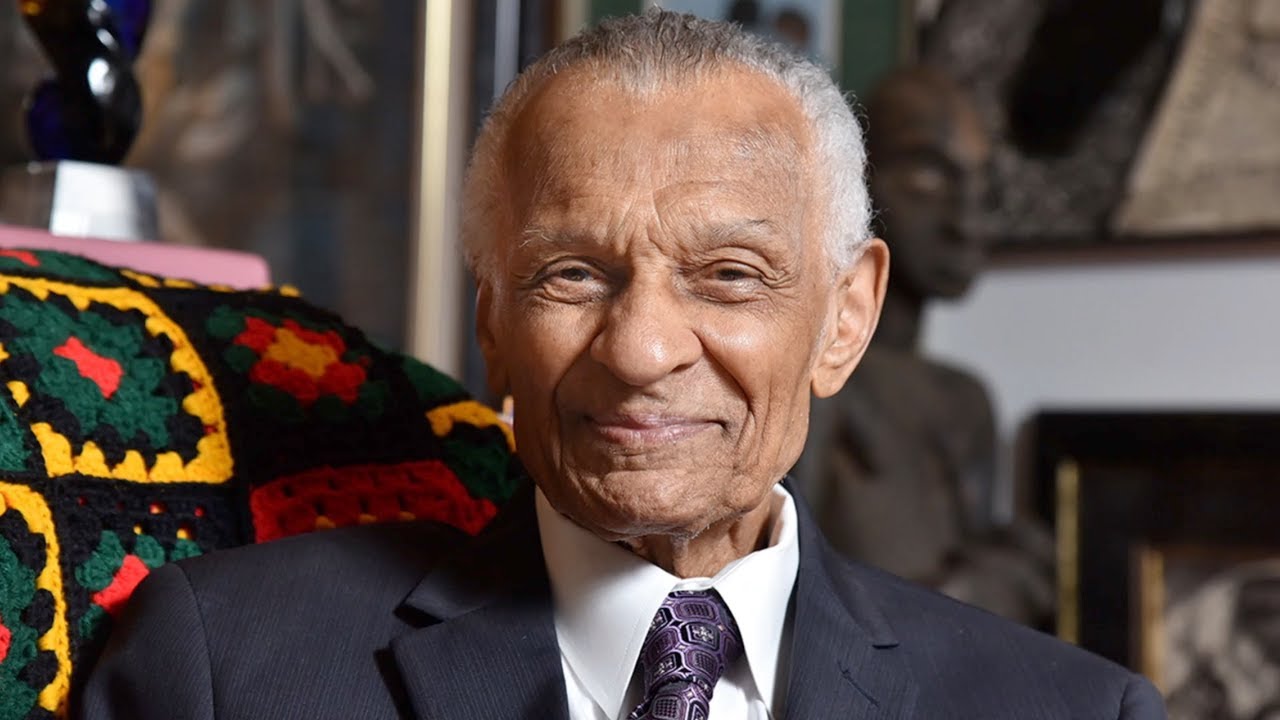
Rev. C.T. Vivian talks MLK and staring death in the face. #MLKDay2026
"Civil Rights icon Rev. C.T. Vivian reflects on a lifetime of struggle, from facing childhood bullies to confronting Jim Clark, and shares his profound insights on the continuous fight for freedom and the true cost of a movement."
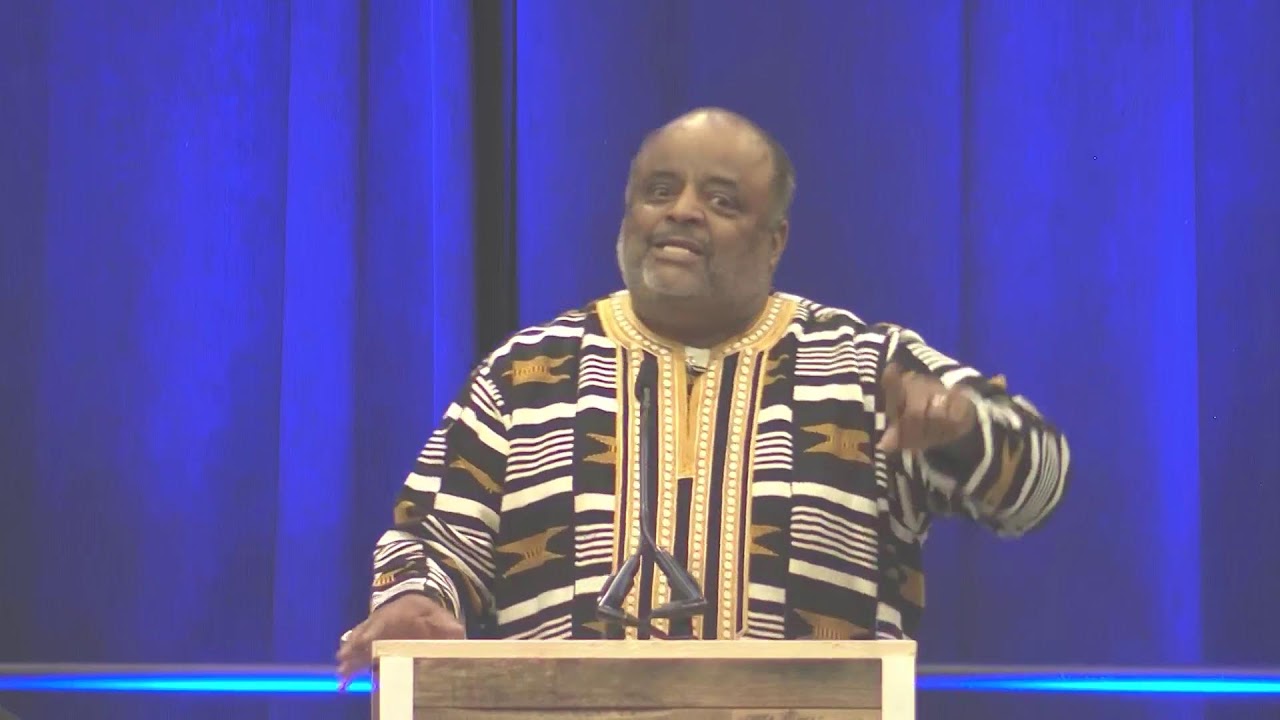
Roland speaks at Columbus Educ. Assoc. MLK Dinner
"Roland Martin challenges the audience at an MLK dinner to move beyond passive celebration and engage in active, sustained political and economic struggle, emphasizing that 'rest time is over' for those seeking real societal change."

Sadhguru - Stop Letting Your Mind DESTROY You | SRS #315
"Sadhguru challenges conventional wisdom on 'being in the moment' and stress, arguing that mastering the mind requires understanding its sophisticated design and consciously directing one's internal chemistry for profound well-being."