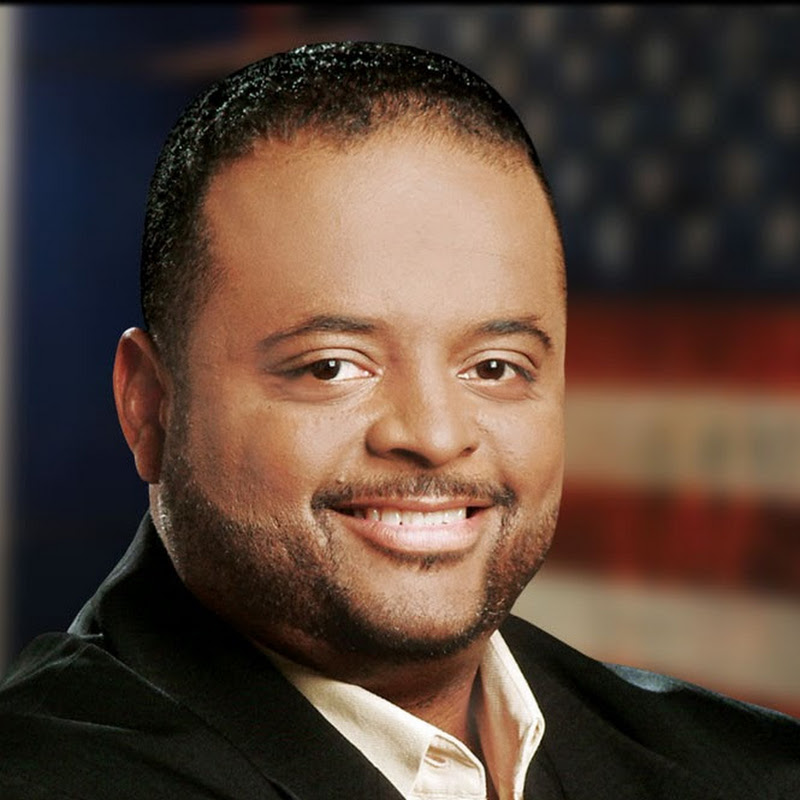
Jackie Robinson Museum Ribbon Cutting Ceremony
YouTube · m46vVQXaf9U
Quick Read
Summary
Takeaways
- ❖The Jackie Robinson Museum officially opened in New York City, five years after its groundbreaking.
- ❖Rachel Robinson, celebrating her 100th birthday, was the primary visionary and driving force behind the museum's creation.
- ❖The museum is designed to showcase Jackie Robinson's entire life, emphasizing his civil rights, political, and economic work, not just his baseball career.
- ❖Speakers highlighted Jackie Robinson's role as an athlete, activist, patriot, entrepreneur, and devoted family man.
- ❖The museum is positioned as New York City's only dedicated civil rights museum, aiming to foster dialogue on race relations.
- ❖The institution features over 450 artifacts, 40,000 historical images, and 450+ hours of video footage.
- ❖The Jackie Robinson Foundation's scholarship program, celebrating 50 years, requires community service from its scholars, a mandate from Rachel Robinson.
Insights
1Rachel Robinson's Enduring Vision and Leadership
The Jackie Robinson Museum is the direct result of Rachel Robinson's 50-year commitment to preserving and expanding her late husband's legacy. Speakers consistently credited her, especially on her 100th birthday, as the 'guiding light' and 'soul' behind the foundation and the museum. She envisioned a space that was 'much more than a remembrance of her husband's baseball career,' aiming for it to be a 'celebration of an American hero whose actions opened the floodgates to the modern civil rights movement.'
Robin Roberts states, 'celebrating the 100th birthday of the woman whose drive, determination, spirit, and vision will be realized... Rachel Robinson.' Dela Britain mentions Rachel's 'longheld vision' to build a museum that 'encouraged particularly the next generation to carry on his work and to embrace the values of humanitarianism.'
2Museum's Focus Beyond Baseball: A Civil Rights Institution
The Jackie Robinson Museum explicitly defines itself as a civil rights institution rather than solely a baseball museum. Its mission is to educate visitors about Jackie Robinson as an 'athlete, activist, patriot, entrepreneur, and devoted family man,' inspiring social change and challenging people to pursue lives of purpose. Mark Thompson noted it is 'the only civil rights museum in New York,' emphasizing its broader societal role in addressing critical social issues and race relations.
Roland Martin states, 'this is not a baseball museum. This is a museum about Jackie Robinson, the man.' Robin Roberts adds, 'The Jackie Robinson Museum will be New York's epicenter for bringing black history forward into the present. It will serve as a venue for vibrant dialogue on critical social issues.' Mark Thompson highlights, 'This will end up being the only civil rights museum in New York.'
3The 'We' Philosophy and Collective Struggle
David Robinson, Jackie's son, articulated his father's philosophy of 'we,' emphasizing that Jackie saw himself as part of a larger collective. This 'we' expanded from his family to the Brooklyn Dodgers, then to African Americans who found a hero, and eventually to all Americans who recognized his impact. David stressed that the museum should be viewed not just as an achievement but as a challenge to continue the ongoing struggle for equal opportunity and to expand the 'family of man' to include everyone.
David Robinson states, 'The one of the questions I think my father would have raised was who was being honored. He was a man who used the word we regularly.' He continues, 'Jackie Robinson would say, 'Don't think of you standing on my shoulders. I think of myself standing on the shoulders of my mother... my grandmother who was born a slave.'
4Jackie Robinson's Principled Evolution and Imperfections
Howard Bryant highlighted Jackie Robinson's unwavering commitment to principle, even before his fame, and his capacity for evolution. He noted that Robinson's story wasn't always 'heroic' and included instances where he 'failed' or 'messed up,' such as his initial reluctance for Rachel to work or his testimony against Paul Robeson. However, Robinson's willingness to 'grow and evolve with the times' and acknowledge his mistakes demonstrated his authenticity and dedication to the fight for his people, making his legacy even more profound.
Howard Bryant states, 'What's right is right and that's it.' He later adds, 'one of the things that I admire most about about Jackie Robinson... is how many times he failed. I mean, the story is not always heroic with him.' He mentions Robinson's evolution on issues like his wife working and his stance on Vietnam.
Lessons
- Visit the Jackie Robinson Museum in New York City to gain a comprehensive understanding of his civil rights contributions beyond baseball and engage with its mission to foster dialogue on race relations.
- Reflect on Jackie Robinson's quote, 'Life is not a spectator sport,' and consider how to actively participate in addressing social issues and contributing to community betterment, rather than passively observing.
- Support organizations like the Jackie Robinson Foundation that invest in educational programs and scholarships, upholding the legacy of leaders who mandated community service and holistic development for young people.
Notable Moments
Rachel Robinson, Jackie's widow, cuts the ribbon for the museum on the occasion of her 100th birthday.
This moment symbolizes the culmination of Rachel Robinson's decades-long dedication to her husband's legacy, making the museum's opening a deeply personal and historic achievement for her.
New York City Mayor Eric Adams presents a proclamation honoring Jackie Robinson and his wife, Rachel, for their impact on the city and nation.
The mayoral proclamation underscores the institutional recognition of Robinson's profound influence on civil rights and equality, affirming the museum's significance as a cultural cornerstone for New York.
David Robinson, Jackie's son, speaks about his father's 'we' philosophy, extending the concept of collective struggle and achievement beyond individual and racial boundaries.
This speech provides a powerful, expansive interpretation of Jackie Robinson's legacy, reframing it as a universal call to action for human solidarity and ongoing social progress, directly linking the past to present challenges.
Quotes
"This is not a baseball story. I think this is American history story. So, to be able to have this museum here in New York City, um, I think it's really really cool."
"This has been Rachel Robinson's dream... this is really one of the most important, if not the really the pinnacle of what she's achieved... this is the only civil rights museum in New York."
"In many ways, Rachel Robinson has carried the legacy of Jackie Robinson the same way Coretta Scott King carried the legacy of Reverend Dr. Martin Luther King Jr."
"Her dream was a museum that would be a celebration of an American hero whose actions opened the floodgates to the modern civil rights movement."
"Life is not a spectator sport. If you're going to spend your whole life in the grand stand just watching what goes on, in my opinion, you are wasting your life."
"Jackie Robinson would say, 'Don't think of you standing on my shoulders. I think of myself standing on the shoulders of my mother who was a sharecropper in Georgia. My grandmother who was born a slave.'"
"The issues that Jackie Robinson challenged in 1947, they're still with us. They're still with us in in in some degree a greater and more complex nature."
"This is not a baseball museum, there's going to be baseball in it, but this is not going to be defined by baseball."
Q&A
Recent Questions
Related Episodes
Black Men Created America’s First Paramedics. Freedom House’s Hidden History
"Discover the untold history of Freedom House, where Black men in Pittsburgh founded America's first paramedic service in 1966, revolutionizing emergency medicine despite facing pervasive systemic racism and institutional sabotage."

Georgia Fort Pleads Not Guilty. Paralyzed Man Case Charges Dropped. Roy Cooper Senate Bid
"This episode delivers a powerful, multi-faceted tribute to Reverend Jesse Jackson Sr., highlighting his unparalleled impact on civil rights, economic empowerment, political strategy, and global diplomacy, emphasizing his role as an irreplaceable force for justice."
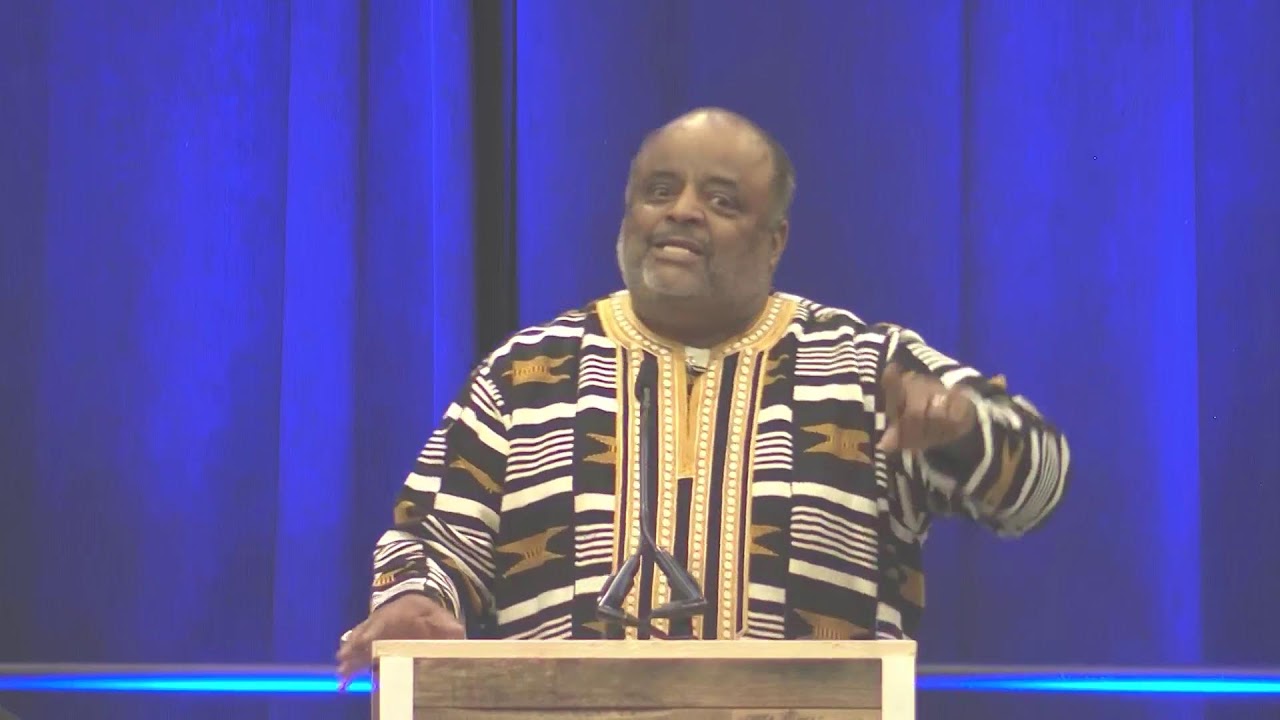
Roland speaks at Columbus Educ. Assoc. MLK Dinner
"Roland Martin challenges the audience at an MLK dinner to move beyond passive celebration and engage in active, sustained political and economic struggle, emphasizing that 'rest time is over' for those seeking real societal change."
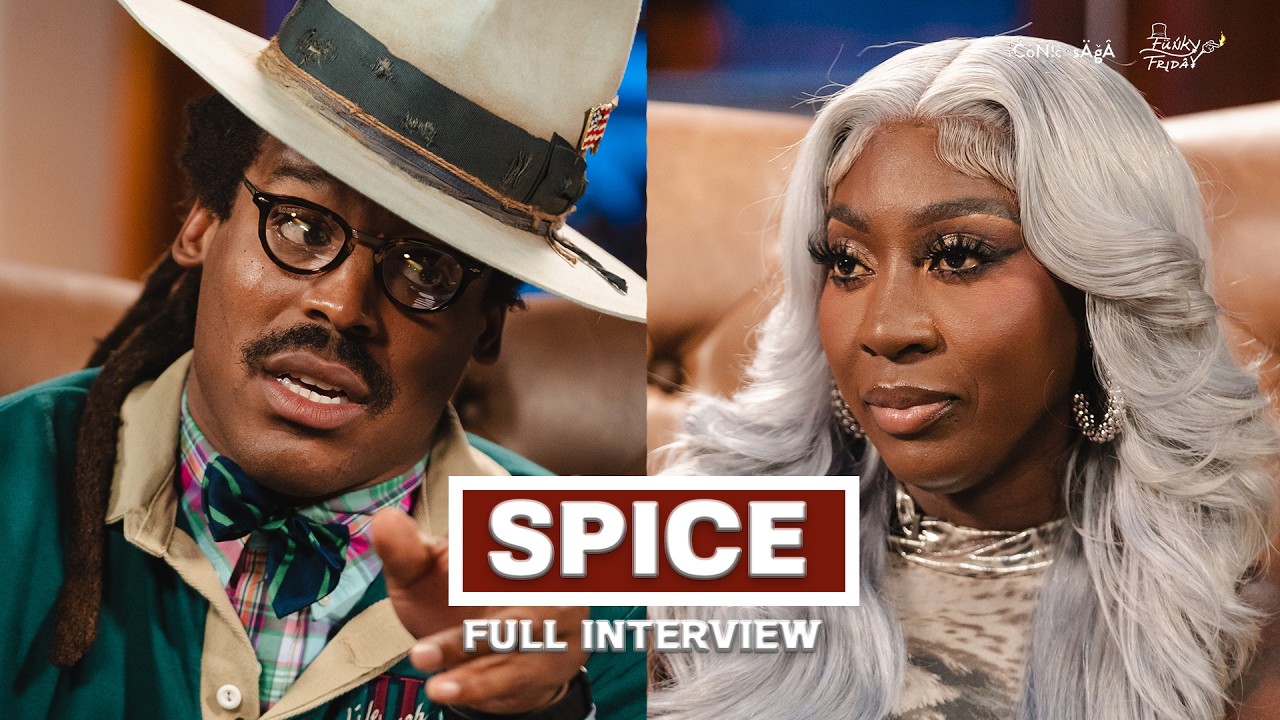
Spice: "I'm Not Watering Down My Culture for Anybody" | Funky Friday
"Dancehall Queen Spice discusses her 27-year career, the origins of dancehall and hip-hop, the pervasive issue of colorism, and her unapologetic views on relationships and cheating."