Democracy Now

Democracy Now

GeopoliticsUS Foreign PolicyInternational RelationsHuman RightsMiddle East ConflictHumanitarian CrisisWar CrimesCivilian casualtiesInternational LawUS-Iran conflictStrait of HormuzIranCivil libertiesIsrael-Iran conflictCivil RightsSocial JusticeEnergy MarketsIsraeli-Palestinian conflictImmigration PolicyImmigrationDiplomacyRegime changeOil PricesMiddle East geopoliticsGlobal EconomyDepartment of Homeland Security (DHS)US PoliticsClimate ChangeUS Domestic PoliticsMiddle EastCongressional oversightJeffrey EpsteinIran Nuclear DealJournalismUS-Iran RelationsEconomic SanctionsImmigration enforcementFreedom of speechTrump AdministrationIran warUS-Israeli War in IranMilitary StrategyPress freedomCivil Rights MovementLabor RightsAI WarfareEnvironmental PolicyImmigration detentionRacismGovernment accountabilityGaza WarJeffrey Epstein scandalDrug traffickingElectoral PoliticsAuthoritarianismIsrael-Palestine ConflictSupply Chain DisruptionsGovernment ShutdownsElection IntegrityEnergy CrisisDisplacementGeopolitical ConflictNuclear proliferationEpstein FilesAI in warfareUS-Iran WarJudicial OversightUkraine warVenezuelaRussia-Ukraine WarVoter rightsTerrorismGaza humanitarian crisisIran-Israel conflictAccountabilityWar Powers ResolutionGun ViolenceNuclear negotiationsCensorshipDonald Trumpgovernment transparencysanctionsState of the UnionJesse JacksonIran nuclear programIndependent MediaPolitical ActivismRedistrictingVoter SuppressionInternational ConflictGeopolitics of the Middle EastIsraelPalestinian rightsICE detentionHuman rights abusesWest Bank occupationUS immigration policyGenocideTech AccountabilityActivismGaza StripPolitical AppointmentsMilitary ethicsUS-Israel relationsUS Domestic PolicyDisinformationEuropean Foreign PolicyNATOAsymmetric WarfareEnergy SecurityInternational humanitarian lawLebanese politicsDomestic TerrorismSocial MovementsDepartment of Justice (DOJ)National securityRules of engagementDHS ShutdownDepartment of Homeland Security (DHS) ShutdownUS-Cuba relationsEconomic Impact of WarVaccine PolicyIran-US relationsIranian politicsUS-Israeli War on IranOil MarketsCubaU.S. Foreign PolicyDemocracyPublic OpinionFeminismJeffrey Epstein investigationInvestigative JournalismIsrael-Lebanon conflictMedia CensorshipSexual Assault AllegationsICE MisconductIsrael-Iran warIranian successionEconomic ImpactRegional DestabilizationDocumentary FilmmakingMilitary escalationGlobal energy marketsGaza conflictCustoms and Border Protection (CBP)TariffsUS military operationsImmigration and Customs Enforcement (ICE)WhistleblowersLGBTQ+ RightsSupreme Court RulingsSex TraffickingTransgender RightsEconomic InequalityEconomic JusticeVoting RightsimpeachmentCuba EmbargoPolitical Retaliation
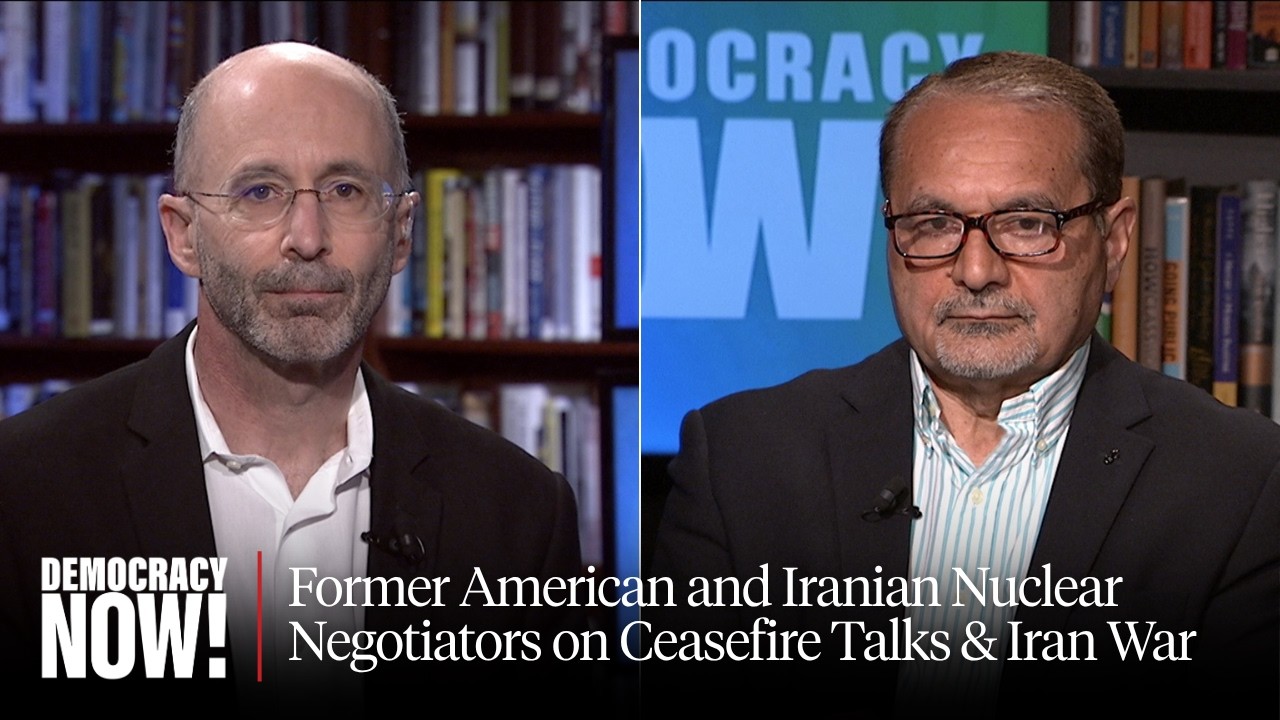
Exclusive: Former American & Iranian Negotiators on Ceasefire Talks & How War Could End
US-Iran RelationsNuclear DiplomacyInternational Conflict

Exclusive: Former American & Iranian Negotiators on Ceasefire Talks & How War Could End

Former US and Iranian negotiators dissect the collapse of recent peace talks, the impact of US military actions and blockades, and the deep-seated mistrust hindering a resolution to the nuclear dispute.

Explore Insights →
Top U.S. & World Headlines — February 26, 2026
US-Iran relationsNuclear negotiationsSanctions

Top U.S. & World Headlines — February 26, 2026

This episode covers a rapid-fire series of global and domestic headlines, from escalating US-Iran tensions and the Cuban humanitarian crisis to Israeli actions in Gaza, the Epstein scandal's fallout, and controversial Trump administration policies.
Explore Insights →
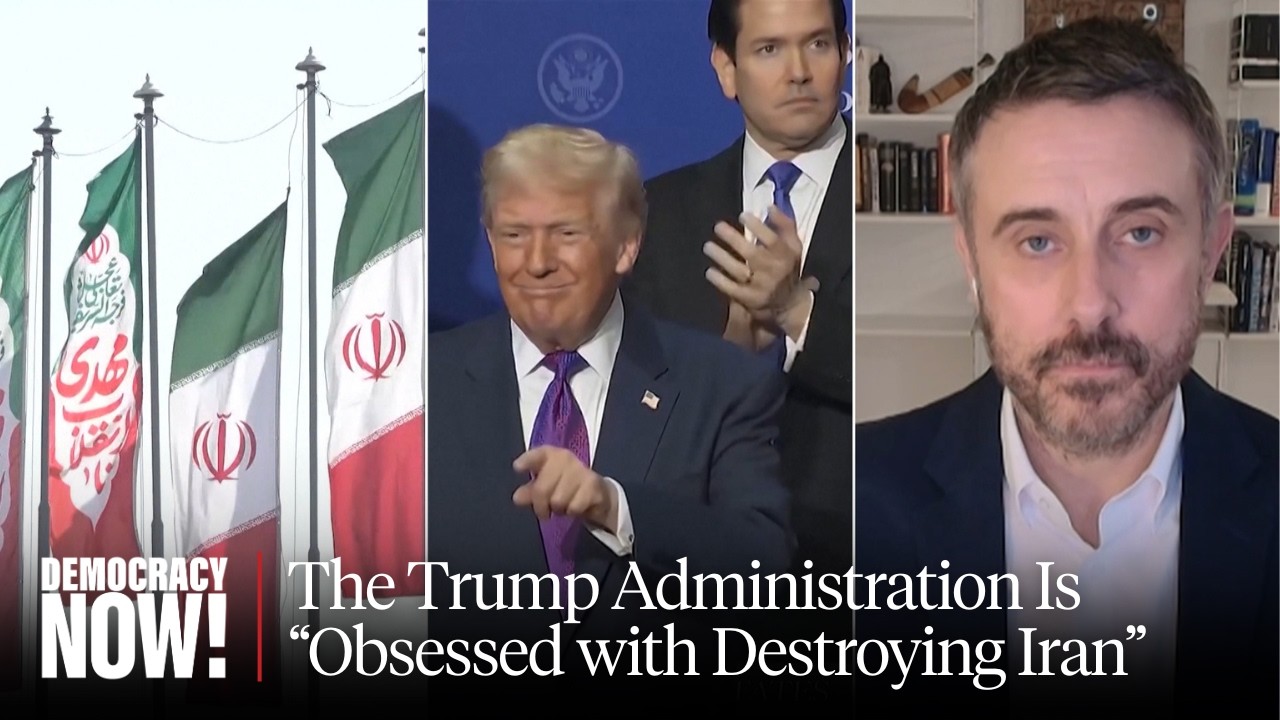
Jeremy Scahill: Despite Ongoing Talks, Trump Admin Is "Obsessed" with Destroying Iran
US-Iran relationsTrump administration foreign policyMiddle East military buildup

Jeremy Scahill: Despite Ongoing Talks, Trump Admin Is "Obsessed" with Destroying Iran

Jeremy Scahill reveals the Trump administration's alleged obsession with ending Iran's Islamic Revolution, detailing a massive military buildup and two potential US attack scenarios, despite ongoing negotiations.

Explore Insights →
"Extremely Dangerous Situation": Trita Parsi Warns U.S. & Iran Have Incentives to Escalate Conflict
US-Iran relationsGeopolitical conflictMiddle East security

"Extremely Dangerous Situation": Trita Parsi Warns U.S. & Iran Have Incentives to Escalate Conflict

Expert Trita Parsi warns of an 'extremely dangerous situation' where both the US and Iran are incentivized to escalate conflict, driven by contradictory calculations and a shifting regional dynamic where Iran serves as a de facto buffer against an unrestrained Israel.

Explore Insights →

Want more on us iran relations?

Explore deep-dive summaries and actionable takeaways from the best minds across different podcasts discussing this topic.

View All Us Iran Relations Episodes

Don't see the episode you're looking for?

We're constantly adding new episodes, but if you want to see a specific one from Democracy Now summarized, let us know!

Submit an Episode