Democracy Now

Democracy Now

GeopoliticsUS Foreign PolicyInternational RelationsHuman RightsMiddle East ConflictHumanitarian CrisisWar CrimesCivilian casualtiesInternational LawUS-Iran conflictCivil libertiesIranStrait of HormuzIsrael-Iran conflictEnergy MarketsImmigrationIsraeli-Palestinian conflictImmigration PolicyImmigration enforcementSocial justiceHomeland SecurityCivil RightsDiplomacyRegime changeOil PricesCongressional oversightMiddle East geopoliticsJeffrey EpsteinGlobal EconomyUS PoliticsClimate ChangeUS Domestic PoliticsMiddle EastGovernment accountabilityGovernment ShutdownElection IntegrityTrump AdministrationIran warUS-Israeli War in IranMilitary StrategyPress freedomCivil Rights MovementLabor RightsAI in warfareEnvironmental PolicyImmigration detentionRacismGaza conflictJeffrey Epstein scandalDrug traffickingIran nuclear programIran Nuclear DealAuthoritarianismICE detentionIsrael-Palestine ConflictEnergy CrisisJournalismDisplacementGeopolitical ConflictNuclear proliferationEpstein Fileseconomic sanctionsUS-Iran WarJudicial OversightUkraine warVenezuelaVoter rightsTerrorismGaza humanitarian crisisIran-Israel conflictAccountabilityWar Powers ResolutionGun ViolenceNuclear negotiationsCensorshipDonald Trumpgovernment transparencysanctionsUS-Iran relationsState of the UnionJesse JacksonLGBTQ+ RightsIsraelPalestinian rightsHuman rights abusesFreedom of speechWest Bank occupationUS immigration policyGenocideSupply Chain DisruptionsTech AccountabilityActivismGaza StripDHSPolitical AppointmentsMilitary ethicsUS-Israel relationsUS Domestic PolicyDisinformationEuropean Foreign PolicyNATOAsymmetric WarfareEnergy SecurityInternational humanitarian lawLebanese politicsDomestic TerrorismSocial MovementsNational securityRules of engagementDHS ShutdownUS-Cuba relationsEconomic Impact of WarVaccine PolicyIran-US relationsIranian politicsUS-Israeli War on IranOil MarketsCubaU.S. Foreign PolicyDemocracyPublic OpinionFeminismJeffrey Epstein investigationPolitical StrategyInvestigative JournalismIsrael-Lebanon conflictMedia CensorshipSexual Assault AllegationsICE MisconductIsrael-Iran warIranian successionEconomic ImpactRegional DestabilizationDocumentary FilmmakingMilitary escalationGlobal energy marketsFree speechpolitical accountabilityTariffsPublic HealthUS military operationsImmigration and Customs Enforcement (ICE)WhistleblowersElectoral PoliticsSex TraffickingTransgender RightsEconomic InequalityEconomic JusticeVoting RightsimpeachmentCuba EmbargoPolice BrutalityPolitical Retaliation
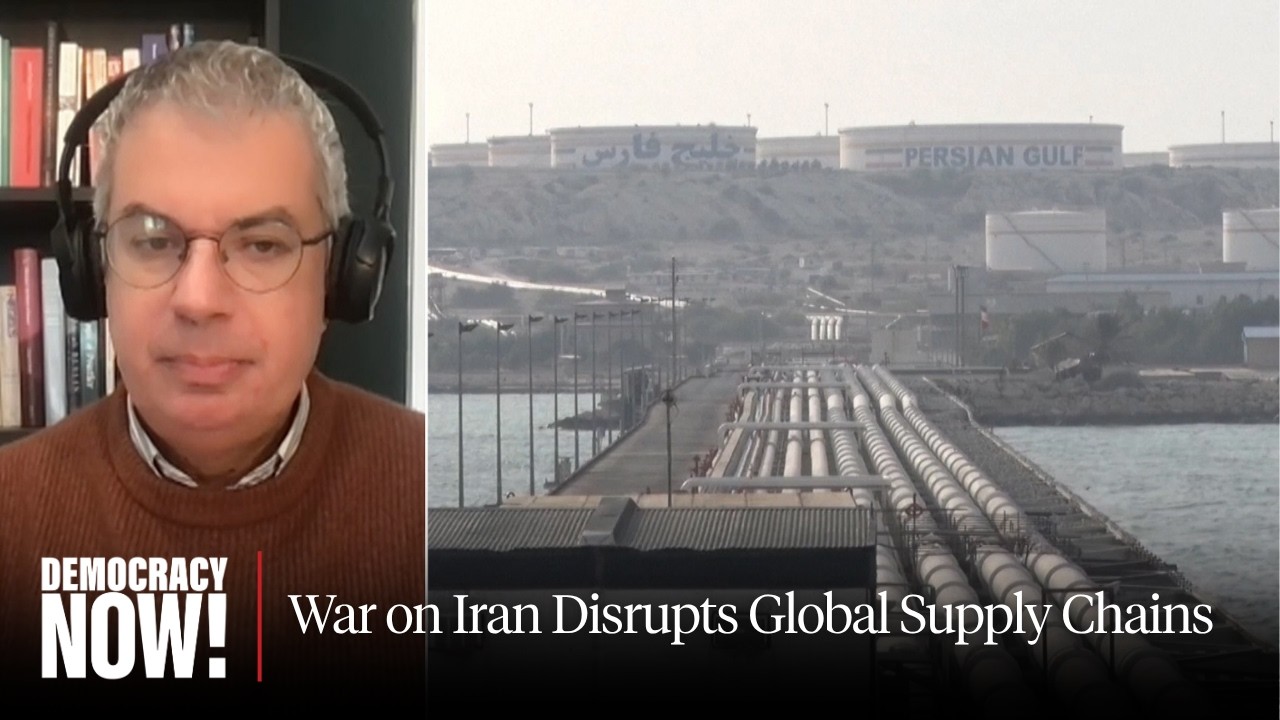
Crude Capitalism: Trump's War on Iran Disrupts Global Systems, from Agriculture to Oil to Shipping
GeopoliticsGlobal EconomySupply Chain Disruptions

Crude Capitalism: Trump's War on Iran Disrupts Global Systems, from Agriculture to Oil to Shipping

The US-Israeli war on Iran and the blockage of the Strait of Hormuz are not just impacting oil prices, but are creating widespread global economic and humanitarian crises by disrupting critical supply chains for chemicals, fertilizers, and shipping logistics.
Explore Insights →
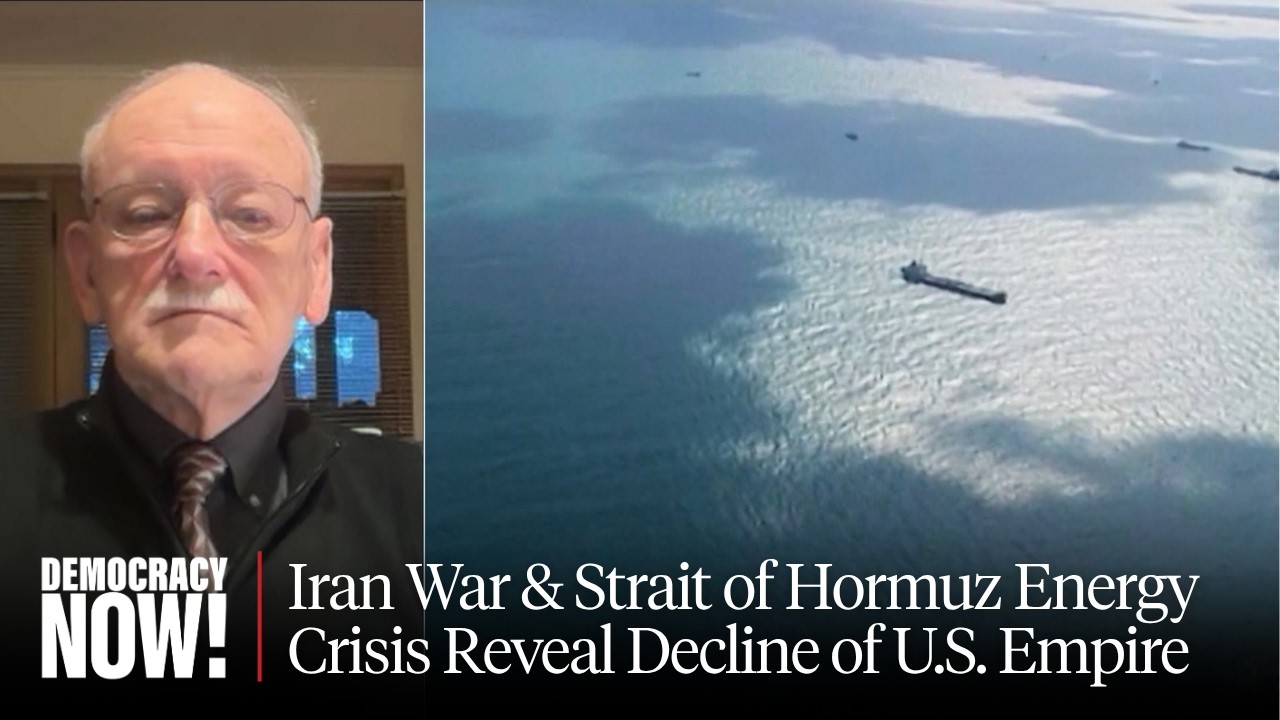
Iran War & Strait of Hormuz Energy Crisis Reveal Decline of U.S. Empire: Historian Alfred McCoy
GeopoliticsUS Foreign PolicyIran

Iran War & Strait of Hormuz Energy Crisis Reveal Decline of U.S. Empire: Historian Alfred McCoy

Historian Alfred McCoy argues that Iran's strategic closure of the Strait of Hormuz, mirroring Egypt's Suez Canal move in 1956, signals a rapid decline in US global hegemony and exposes critical vulnerabilities in American military and economic strategy.

Explore Insights →
Top U.S. & World Headlines — March 18, 2026
Israel-Iran ConflictStrait of HormuzGeopolitics

Top U.S. & World Headlines — March 18, 2026

A rapidly escalating conflict between Israel and Iran has triggered global economic instability and a humanitarian crisis, while domestic US issues include a DHS shutdown, controversial foreign aid policies, and political primaries.

Explore Insights →
Ground Invasion of Iran Could Be "Suicide Mission" for U.S.: Ex-Army Intelligence Analyst
US-Iran conflictGround invasion risksStrait of Hormuz

Ground Invasion of Iran Could Be "Suicide Mission" for U.S.: Ex-Army Intelligence Analyst

A former US Army intelligence analyst warns that any US ground invasion of Iran would be a "suicide mission" due to overwhelming logistical and tactical challenges, while US allies refuse to participate in the conflict.
Explore Insights →
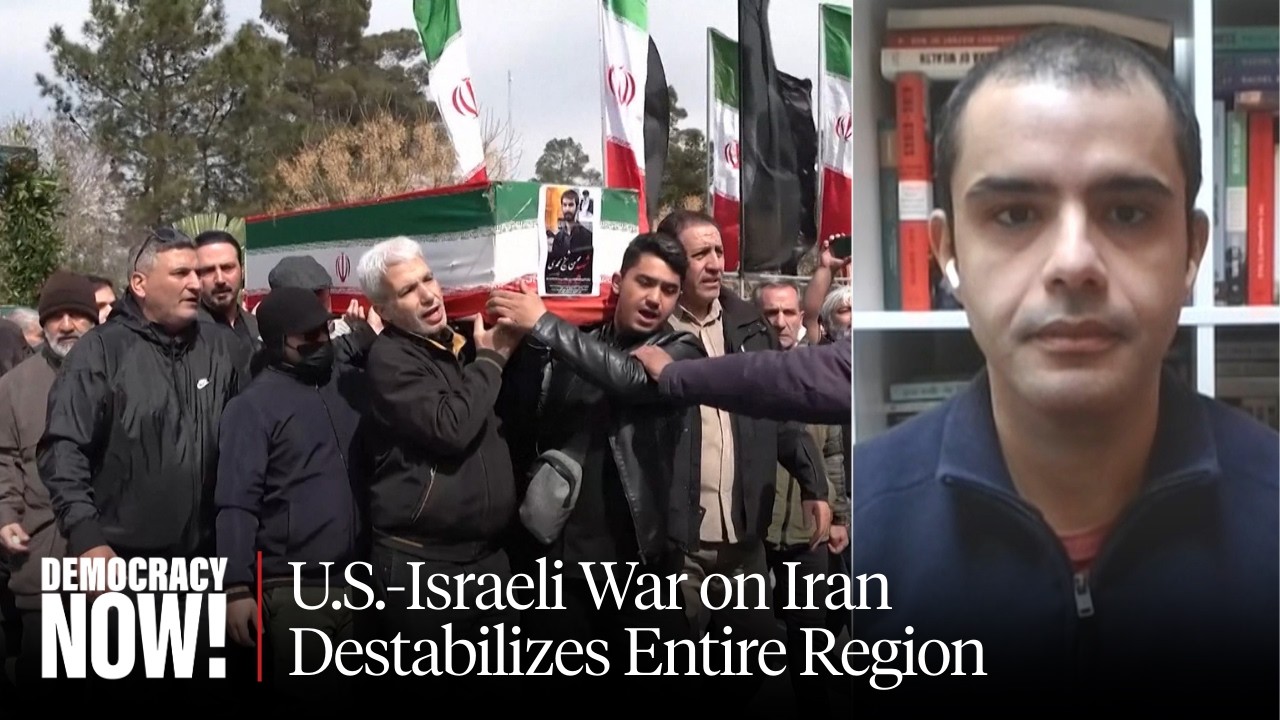
"The Gulf Fears Whoever Wins This War": U.S.-Israeli War on Iran Could Destabilize Entire Region
US-Iran conflictGulf states' foreign policyRegional hegemony

"The Gulf Fears Whoever Wins This War": U.S.-Israeli War on Iran Could Destabilize Entire Region

Gulf nations are caught in a perilous geopolitical bind, fearing the outcomes of both an ascendant Iran and an empowered Israel, while simultaneously questioning the very US security architecture meant to protect them.

Explore Insights →
"Horror and Anxiety": Death Toll in Iran Tops 780 as Trump Says U.S. Can Fight "Forever
Middle East conflictUS foreign policyIran-Israel conflict

"Horror and Anxiety": Death Toll in Iran Tops 780 as Trump Says U.S. Can Fight "Forever

Following the assassination of Iran's Supreme Leader by the US and Israel, a regional war has rapidly escalated, causing hundreds of civilian deaths and prompting Iran to retaliate while the US President asserts a capacity for 'forever' war.

Explore Insights →
Special Report: U.S. & Israel Launch Unprovoked Attack on Iran, Risking Broader Regional War
US-Iran conflictIsrael-Iran conflictInternational law

Special Report: U.S. & Israel Launch Unprovoked Attack on Iran, Risking Broader Regional War

The U.S. and Israel launched a joint, unprovoked attack on Iran, leading to immediate Iranian retaliation across the Middle East and raising critical questions about international law, war objectives, and regional stability.

Explore Insights →
"Extremely Dangerous Situation": Trita Parsi Warns U.S. & Iran Have Incentives to Escalate Conflict
US-Iran relationsGeopolitical conflictMiddle East security

"Extremely Dangerous Situation": Trita Parsi Warns U.S. & Iran Have Incentives to Escalate Conflict

Expert Trita Parsi warns of an 'extremely dangerous situation' where both the US and Iran are incentivized to escalate conflict, driven by contradictory calculations and a shifting regional dynamic where Iran serves as a de facto buffer against an unrestrained Israel.

Explore Insights →
Top U.S. & World Headlines — February 18, 2026
US foreign policymilitary strikesdrug trafficking

Top U.S. & World Headlines — February 18, 2026

Global tensions escalate with US military strikes in Latin America, Iran closing the Strait of Hormuz, and political turmoil in Peru, while domestic US news highlights controversial immigration policies and media censorship concerns.

Explore Insights →

Want more on strait of hormuz?

Explore deep-dive summaries and actionable takeaways from the best minds across different podcasts discussing this topic.

View All Strait Of Hormuz Episodes

Don't see the episode you're looking for?

We're constantly adding new episodes, but if you want to see a specific one from Democracy Now summarized, let us know!

Submit an Episode